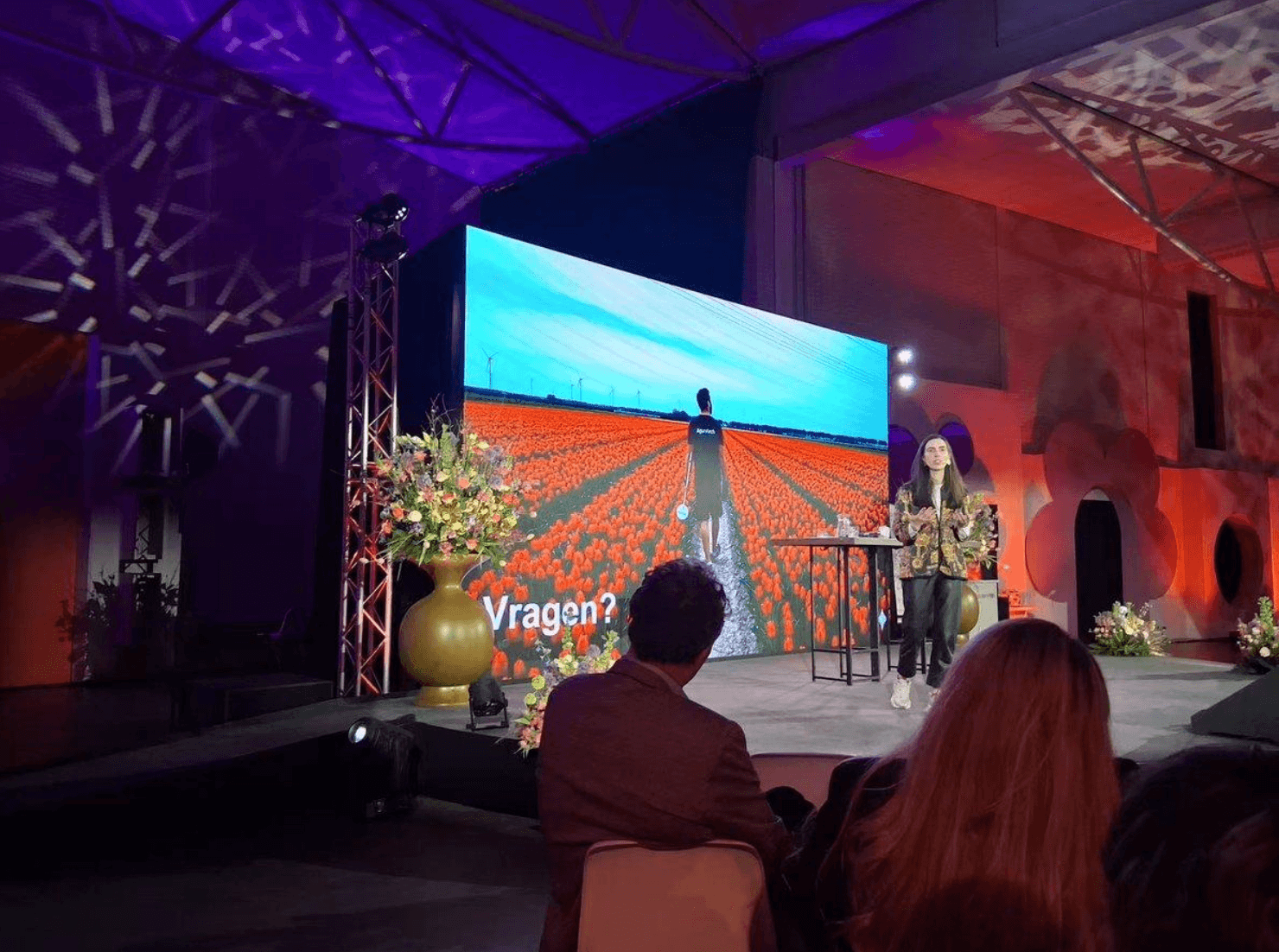
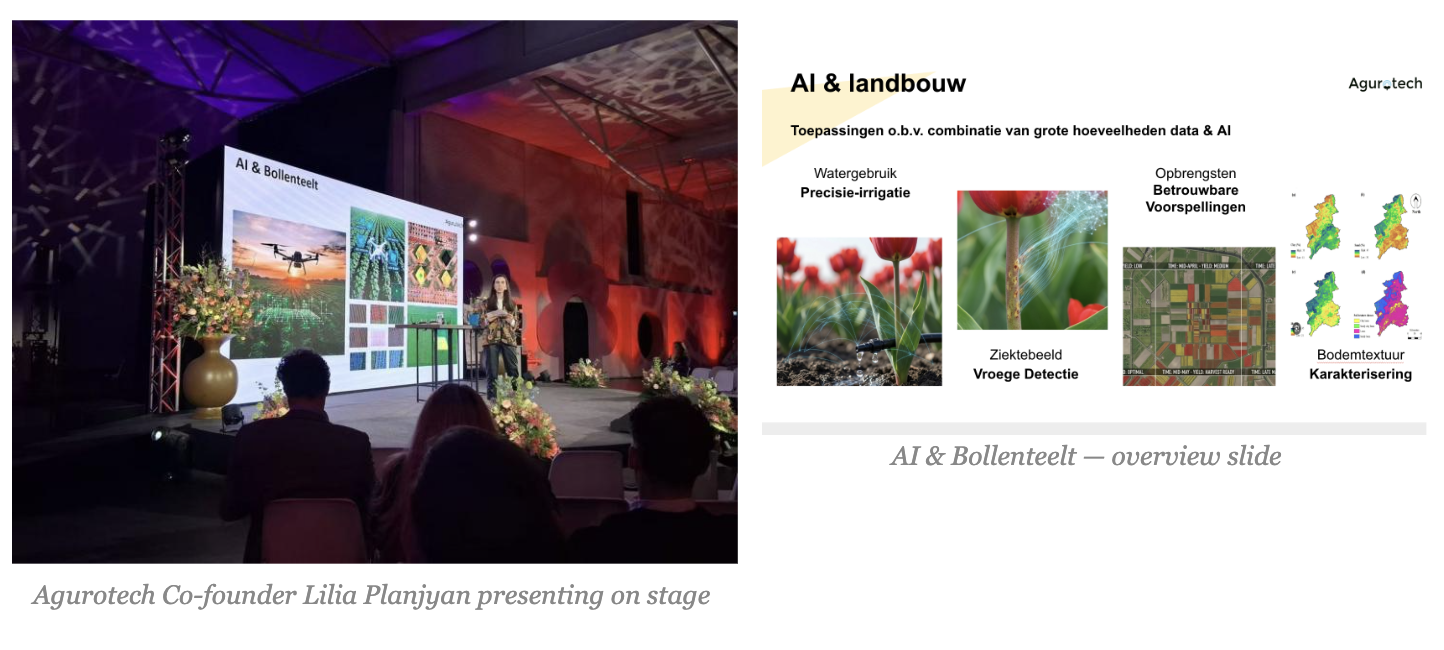
A few weeks ago we were at the Flower Bulb Congress at Keukenhof. The conversations there were representative of something we are hearing across sectors from arable farming to horticulture to specialty crops. Growers, advisors, and industry organisations are all trying to figure out the same thing: how seriously should we take AI, and how quickly does it actually arrive?
The honest answer is that it depends on where you look in the timeline. The near term looks very different from the medium term, which looks very different again from what the sector could look like in twenty years. Understanding those differences matters because the actions that are worth taking today are not necessarily the ones the twenty-year scenarios demand.
The Next Five Years: AI As A Decision-Support Layer
While discussions about agriculture's future often highlight ambitious long-term possibilities—from autonomous operations and accelerated crop development to fully traceable supply chains—the next five years are likely to be defined by more practical applications. AI will primarily function as a decision-support tool, helping farmers and agricultural businesses make better-informed decisions rather than replacing human expertise.
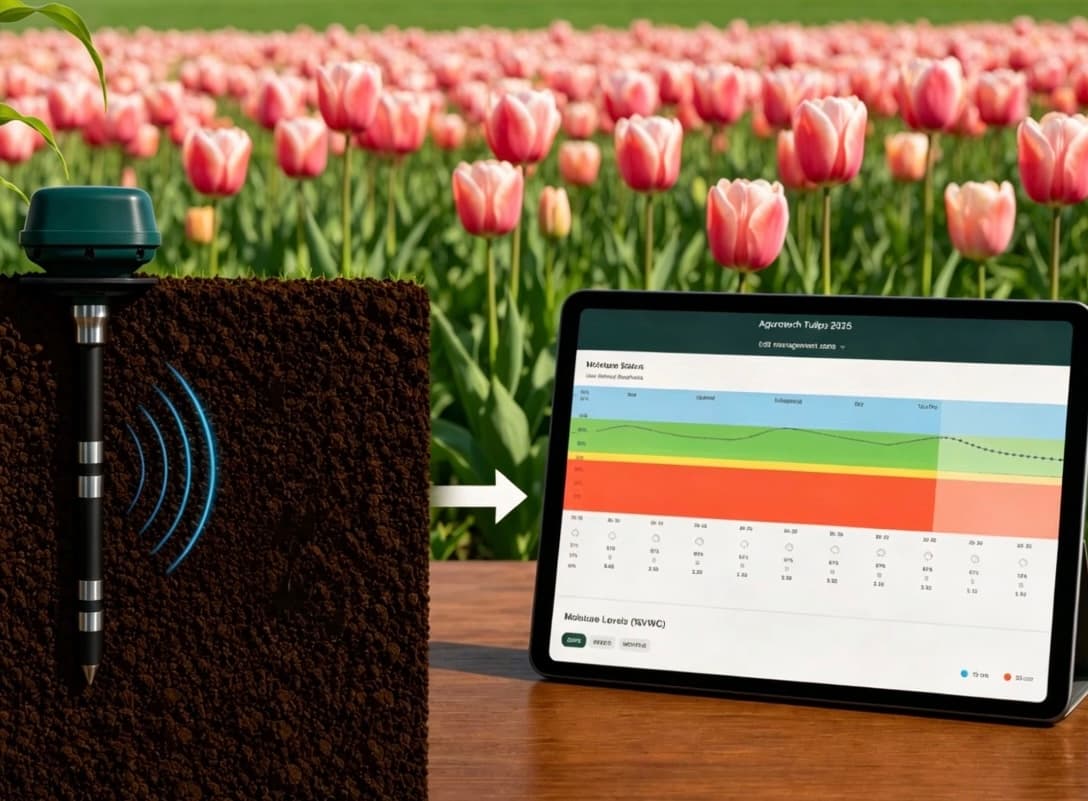
By combining data from sensors, weather forecasts, satellite imagery, machinery, and historical performance records, AI systems will provide recommendations on resource management, crop protection, production planning, and harvesting. At the same time, automation will increasingly streamline administrative processes such as compliance reporting, documentation, and traceability requirements.
The most significant change will not be the technology itself, but how people work with it. Success will depend on developing the ability to interpret data, evaluate recommendations, and integrate AI insights with practical experience. While the vision of highly autonomous agriculture remains a longer-term prospect, the transition is already underway through gradual adoption and growing trust in AI-assisted decision-making.
The Next Ten Years: From Advice To Execution
The shift that happens around the ten-year horizon is more significant. AI stops primarily advising and starts executing.
Robots will plant, remove diseased plants, apply variable fertilisation, and irrigate individual rows based on real-time need — not field averages. The concept of plant-level agriculture becomes practical: treating each row, each zone, each plant differently based on what the data actually says about it.
Production planning will be connected in real time to demand signals — retail forecasts, export data, inventory levels. The question will shift from “what did I grow last year?” to “what does the market need, and how do I grow toward that?” Every field will have a digital twin: a simulation that lets growers test scenarios before committing to them. What happens if I harvest two weeks earlier? How does that affect size and quality? What is the financial outcome?
The role of the grower does not disappear in this world. But it transforms substantially. The farm becomes an AI-assisted operation, and the grower becomes its manager.
The Next Twenty Years Horizon: Structural Change
Looking further out, the changes become more fundamental. Some agricultural operations will run with minimal human labour — a manager, AI systems, and autonomous machines. In sectors with strong genetics programs, AI will dramatically accelerate breeding cycles through genomics, predictive modelling, and simulation. What currently takes ten years may take two.
Traceability will become complete and expected. Every product will carry a digital identity recording its full history: field, soil, water use, disease, inputs. Retailers in the most demanding markets will require it. That is not a regulatory burden in waiting — it is a competitive differentiator for those who build the infrastructure early.
Not every sector will arrive at this point at the same pace. The industries best positioned for AI adoption share certain characteristics: high uniformity and standardisation, already-mechanised operations that generate operational data, repeating cycles that create learning opportunities each season, measurable post-harvest conditions, and geographically concentrated production that makes datasets comparable. Flower bulb cultivation in the Netherlands, for example, ticks most of those boxes. So do parts of potato and onion growing, glasshouse horticulture, and high-intensity fruit production.
A few weeks ago we were at the Flower Bulb Congress at Keukenhof. The conversations there were representative of something we are hearing across sectors from arable farming to horticulture to specialty crops. Growers, advisors, and industry organisations are all trying to figure out the same thing: how seriously should we take AI, and how quickly does it actually arrive?
The honest answer is that it depends on where you look in the timeline. The near term looks very different from the medium term, which looks very different again from what the sector could look like in twenty years. Understanding those differences matters because the actions that are worth taking today are not necessarily the ones the twenty-year scenarios demand.
What This Means For Growers Today
The practical implication is uncomfortable but important: the gap between those who are building data capabilities now and those who are waiting will keep widening. AI systems require training data. The models that will advise, and eventually operate, the farms of the future need years of structured, field-level data to learn from.
Today, land is still the most important asset on most farms. Over time, data combined with models will be the real differentiator — determining who has better cultivation decisions, lower costs, higher quality output, and faster learning cycles. The growers who begin collecting that data today will have years of accumulated knowledge by the time autonomous systems become standard. That is not a small advantage.
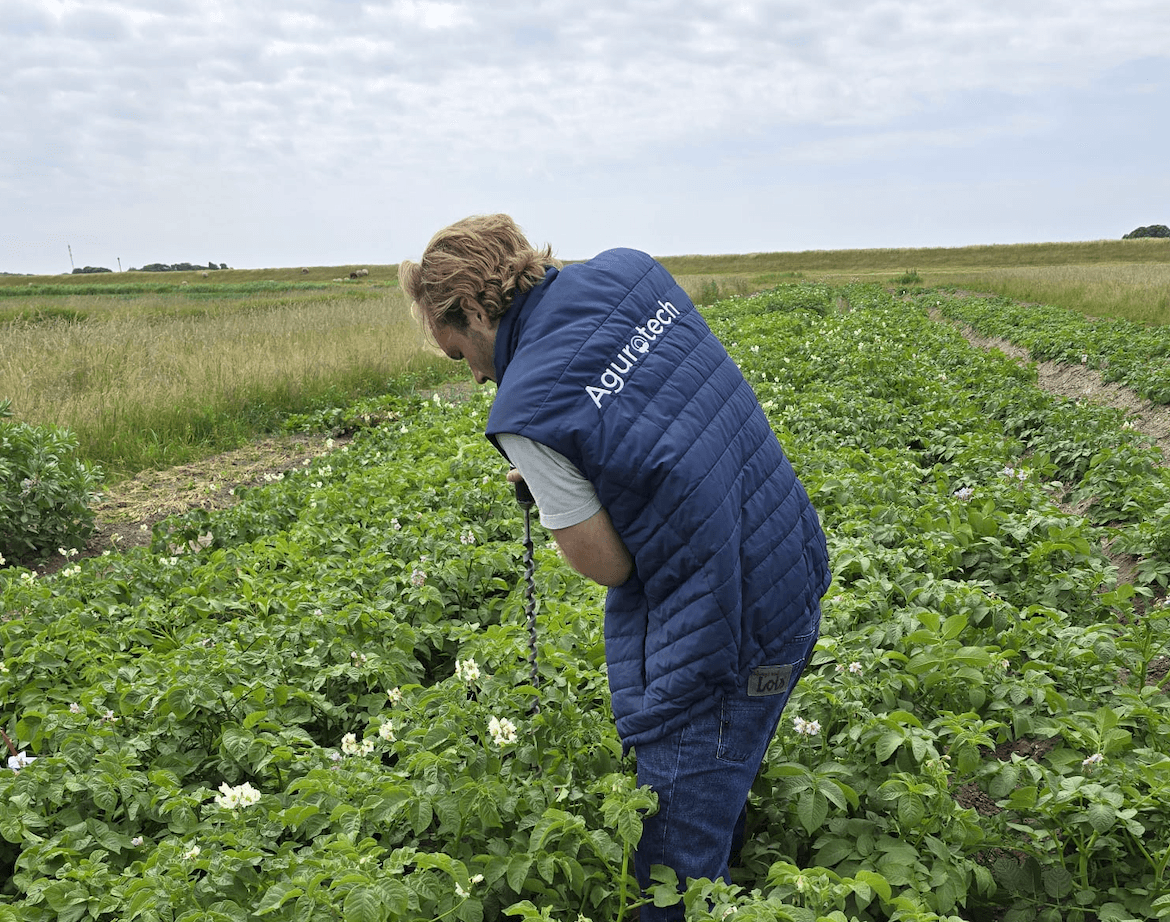
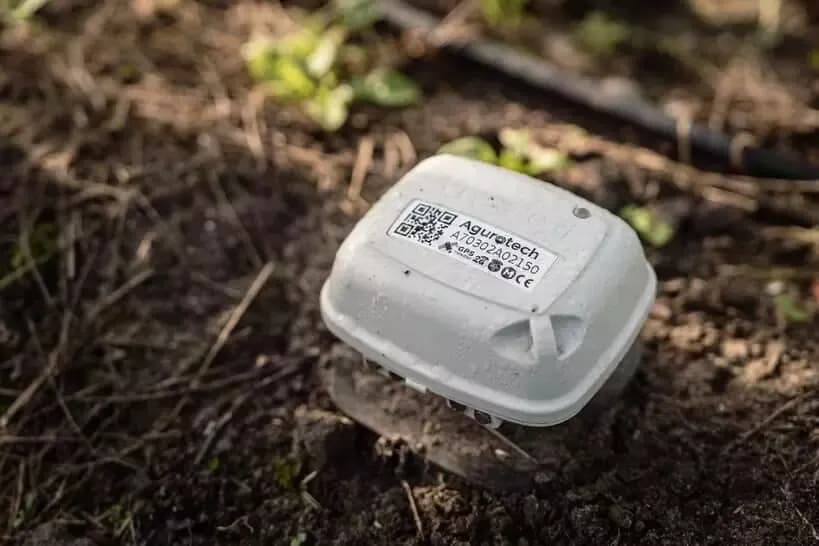
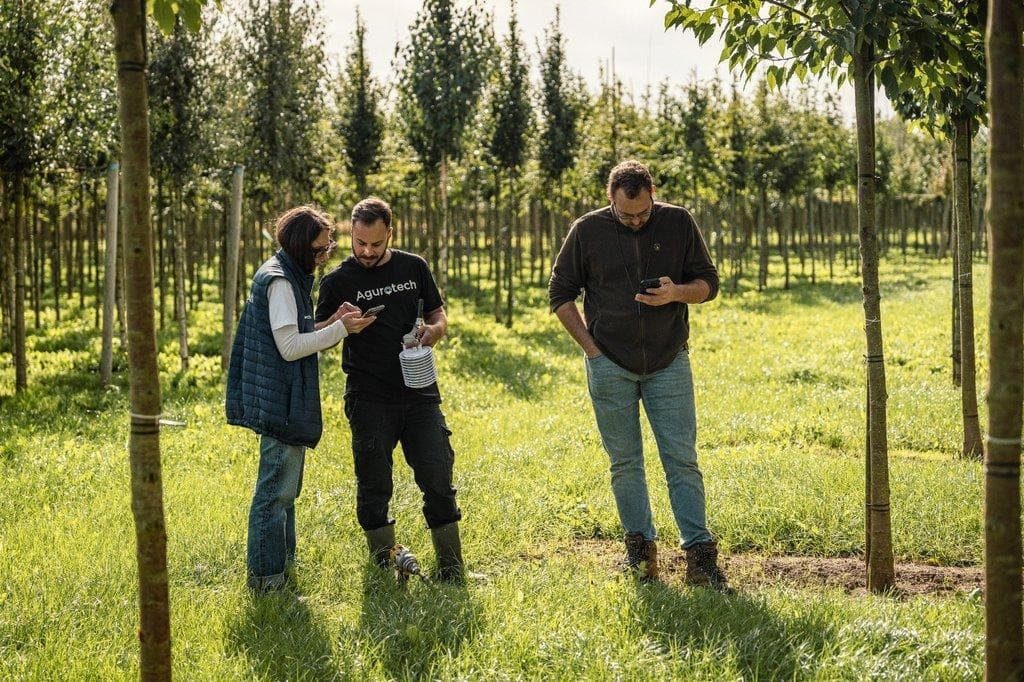
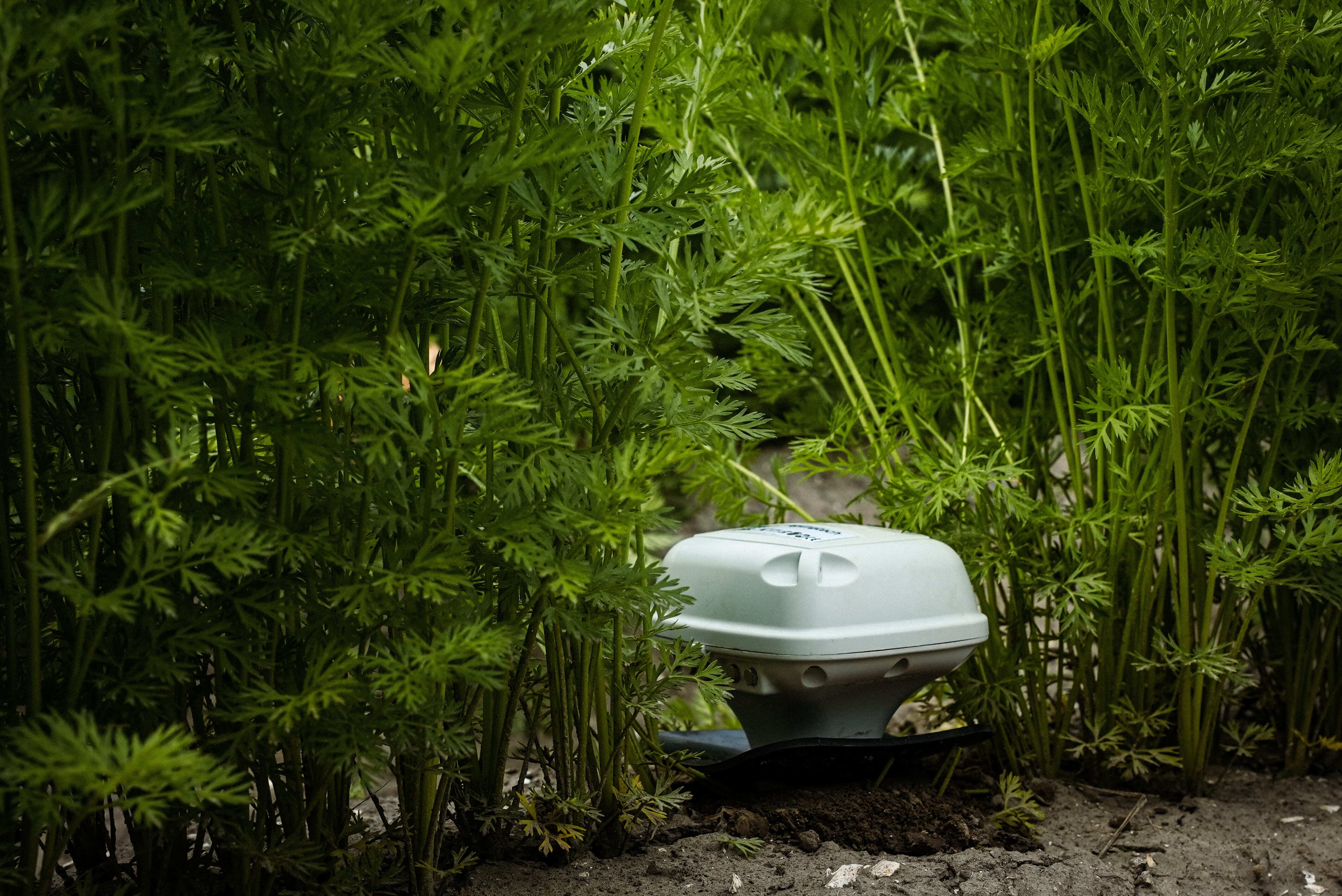
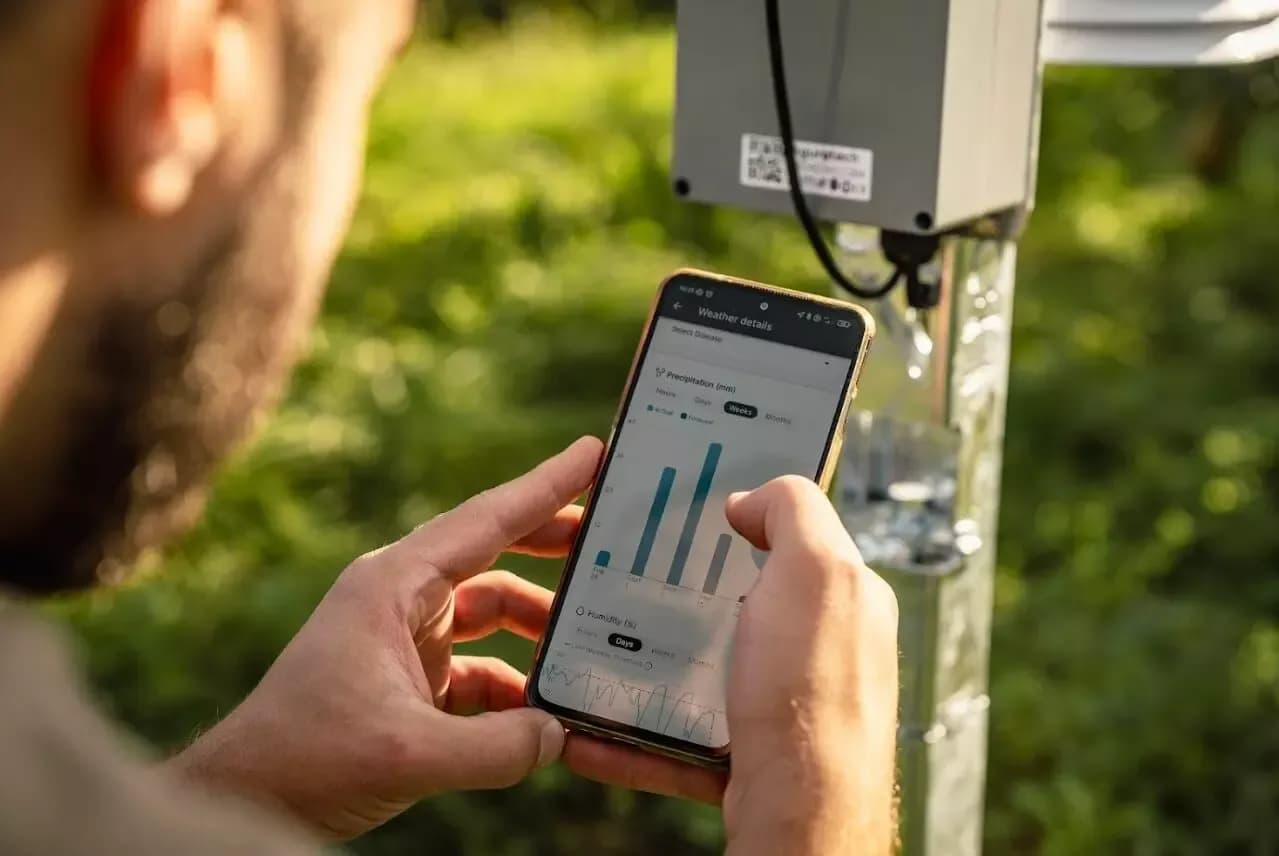
What we see in our own work confirms this. Growers who started with two or three sensors three years ago now have a picture of their fields that their neighbours simply do not have. They know which parcels dry out fastest. They know which soils respond differently to the same rainfall. They know where irrigation actually moves the needle on yield. That knowledge compounds.
The conversation about AI in agriculture is worth having seriously. Not because the technology is fully here yet — it isn’t — but because the foundation it requires is being built right now, season by season, in the farms that choose to start.
“The future won’t be divided between companies that use AI and companies that don’t. It will be divided between companies that have learned how to collect, understand, and act on data — and those that haven’t. And that journey starts today.”
The Keukenhof congress brought together growers, breeders, traders, and researchers from across the sector. Agurotech is already working with growers who are building that data foundation today: tracking soil conditions, monitoring crop health, and turning seasonal experience into structured knowledge that carries forward year after year.
The talk is worth having. The window is open. The question is who walks through it first.
.jpg&w=3840&q=75)