.jpg&w=3840&q=75)
When irrigation decisions need to be explainable
For a long time, irrigation decisions were made...and forgotten.
A field was irrigated because it felt necessary.
A round was skipped because rain was expected.
Months later, no one asked why.
That is changing.
Decisions don’t end with the season
Today, irrigation decisions increasingly come back after the season:
- during certification audits
- in sustainability reporting
- in conversations with buyers or advisors
- in discussions about water use and permits
The question is no longer only “did it work?”
It is also:
“Can you explain why you did it?”
.jpg)
Memory is a weak form of evidence
Growers know their fields.
But explaining decisions months later across dozens of fields and hundreds of hectares is difficult.
Why was this parcel irrigated twice in June, and another only once?
Why was irrigation delayed during a dry week?
Why was water used here, and not there?
Relying on memory or gut feeling works in the moment.
It works far less well in hindsight.
Data as documentation, not instruction
For many growers, this is where irrigation data quietly takes on a new role.
Not as advice.
Not as automation.
But as documentation.
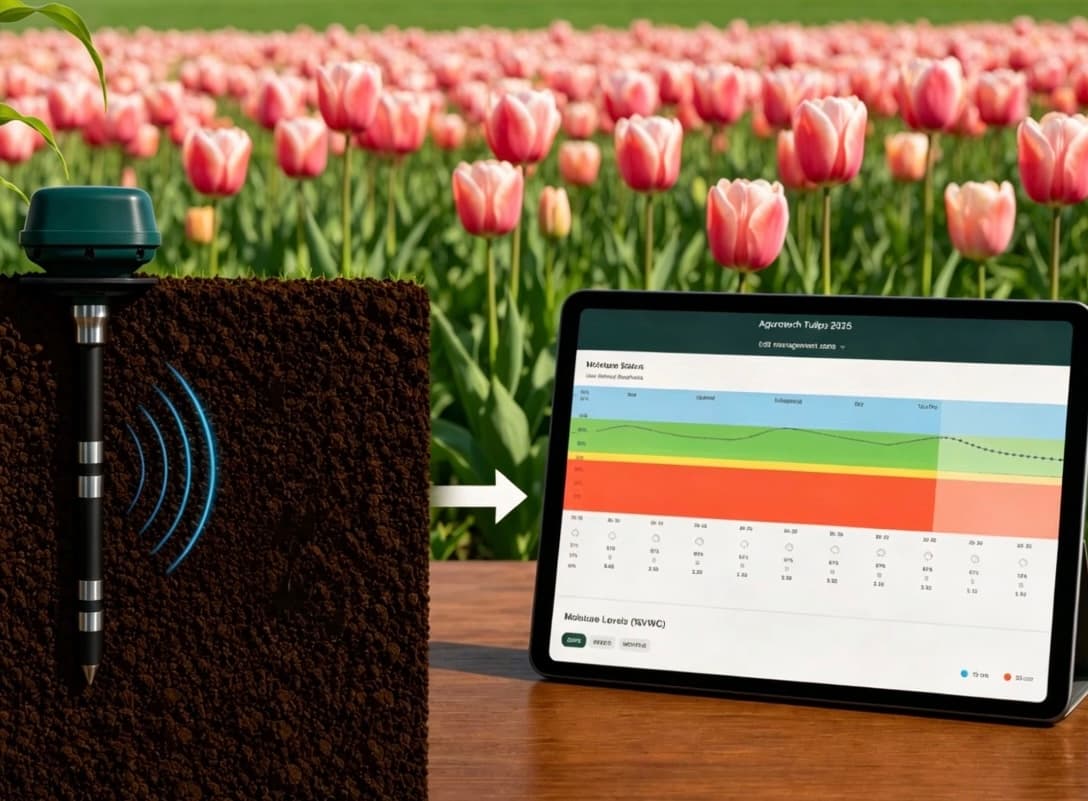
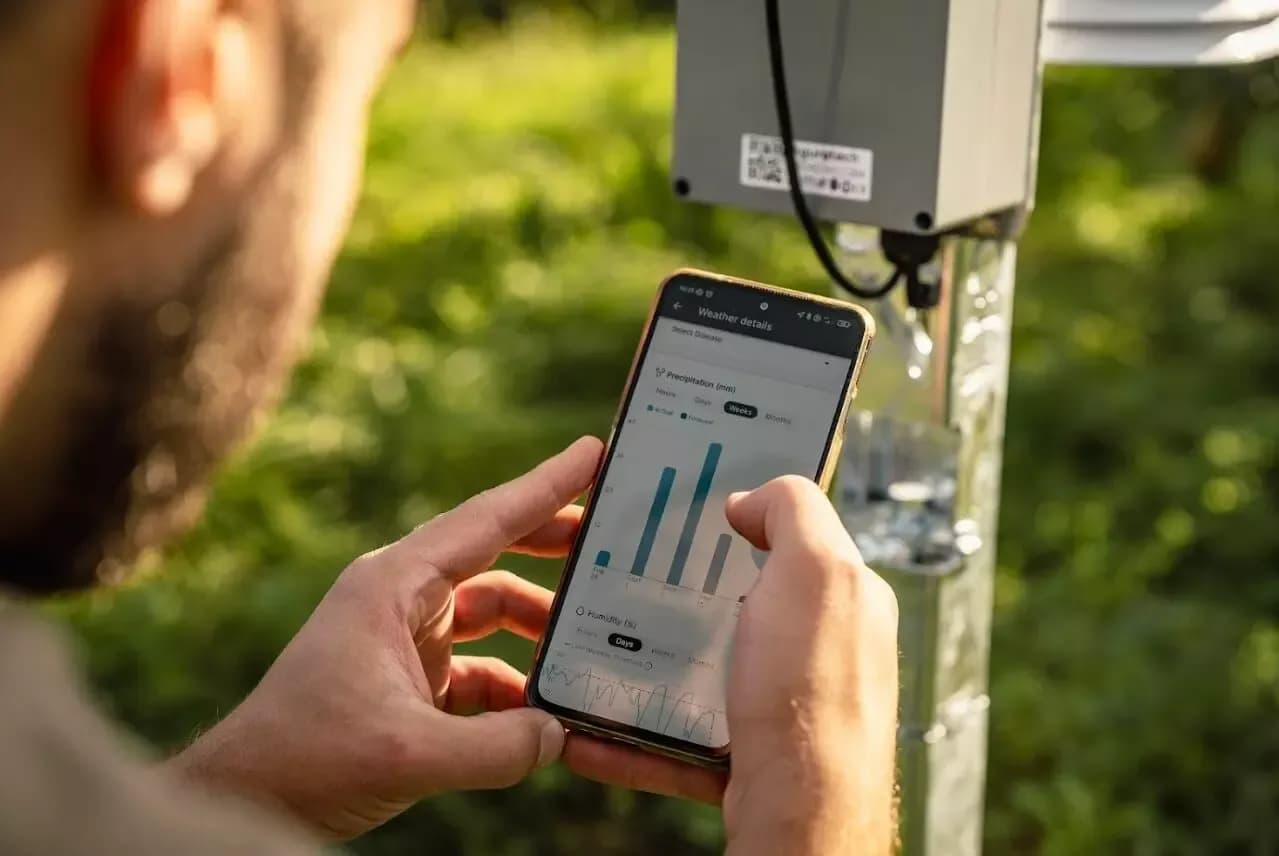
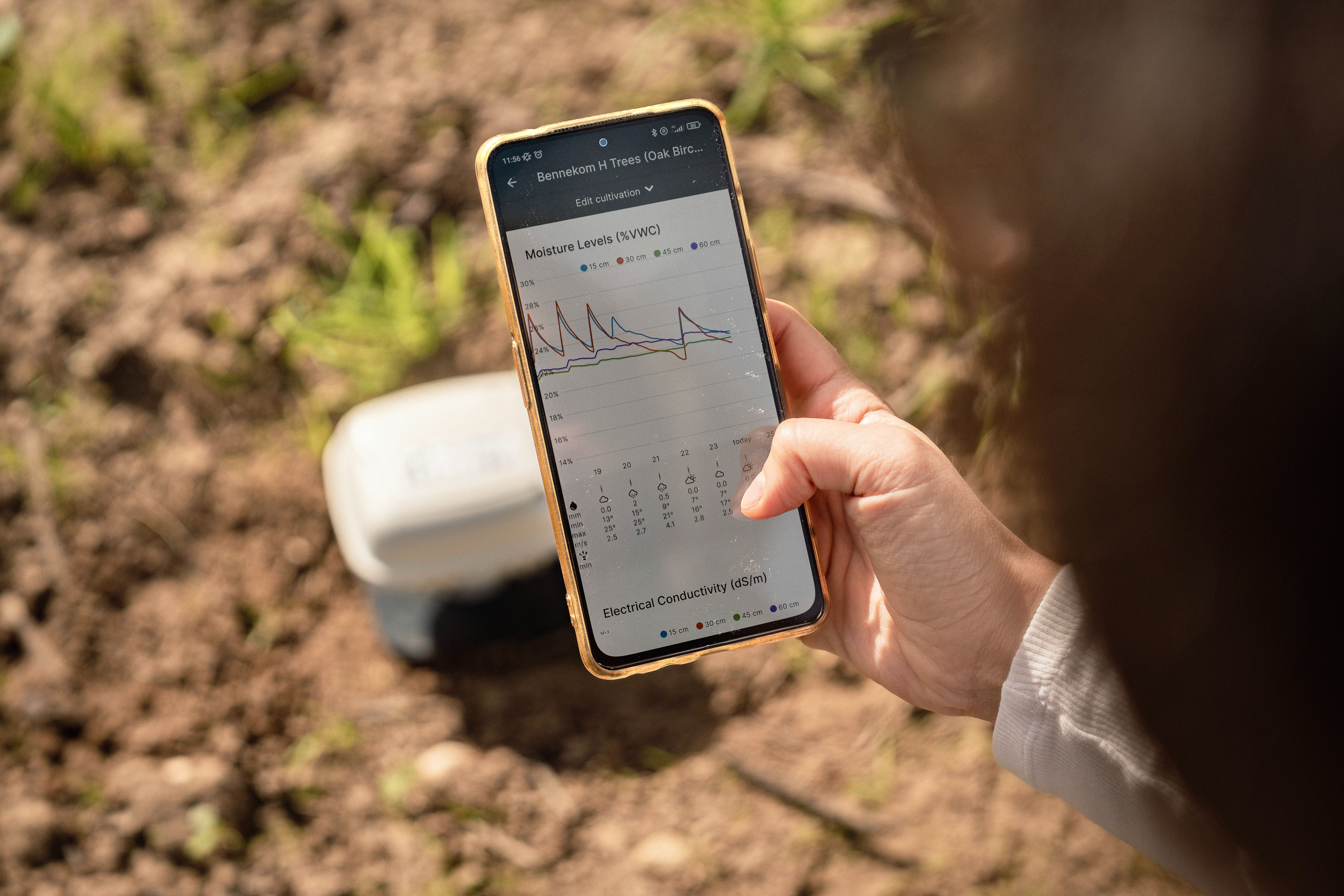
Soil data shows what the field looked like at the time of the decision.
Weather data shows what was expected.
Together, they explain the context in which a choice was made.
As one grower put it:
“I don’t have to explain it anymore. The data shows why we waited.”
Responsibility stays with the grower
Growers are clear about one thing: data does not make the decision for them.
Fields are still checked.
Capacity, labour and crop stage still matter.
Experience still leads.
What changes is not the decision itself, but how easy it is to stand behind that decision later.
Another grower explained:
“For audits, it helps that we can show we didn’t just irrigate out of habit.”
A quiet shift in expectations
As expectations around water use, sustainability and transparency increase, this kind of proof becomes more important.
Not because growers are doing something wrong, but because they are increasingly asked to show they are doing it right.
Smart irrigation supports that shift quietly:
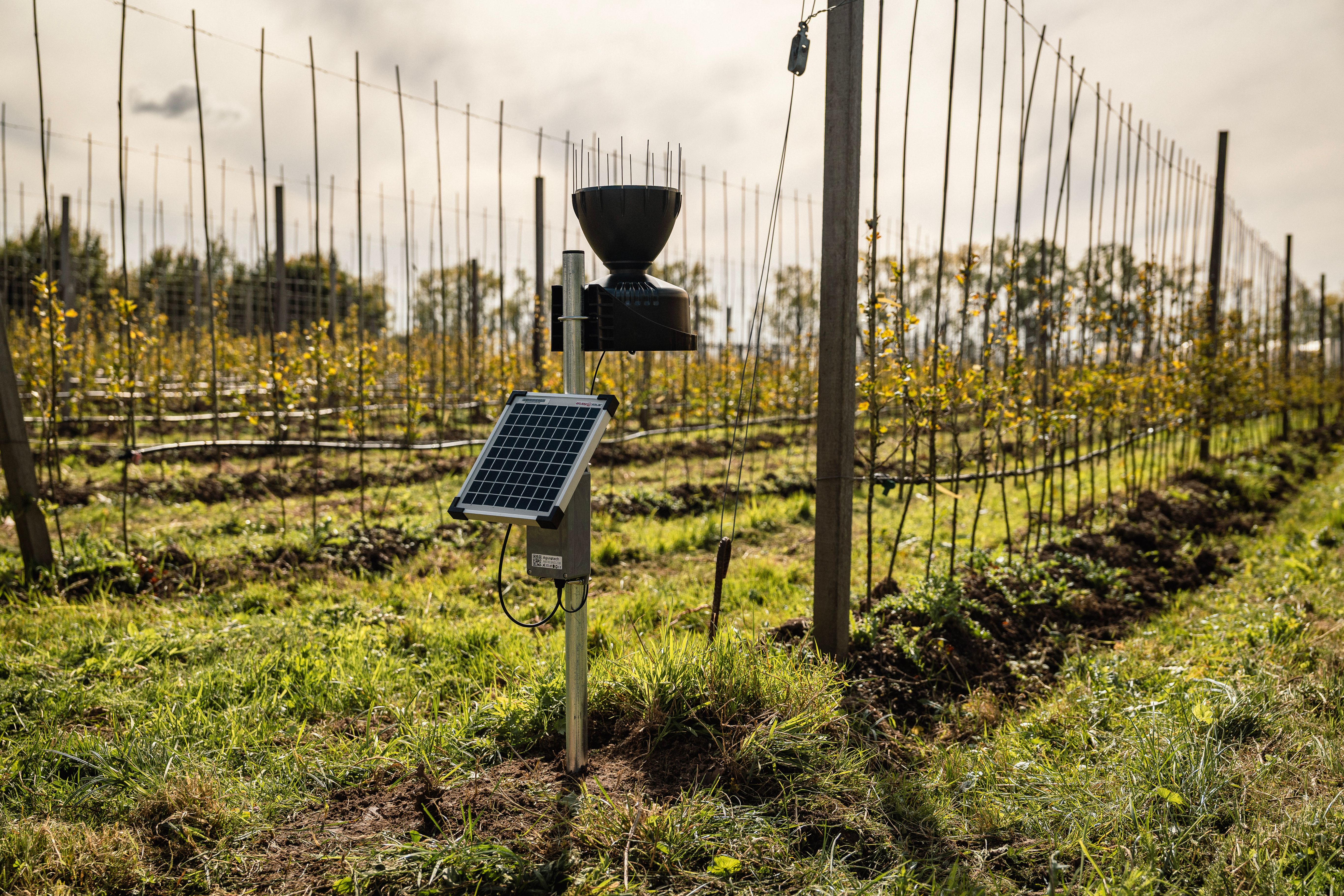
- by recording what happened
- when it happened
- and under what conditions
Beyond water
In the end, this isn’t just about irrigation.
It’s about being able to explain good decisions — clearly, calmly and with confidence — long after they were made.
That’s not automation. That’s accountability.