
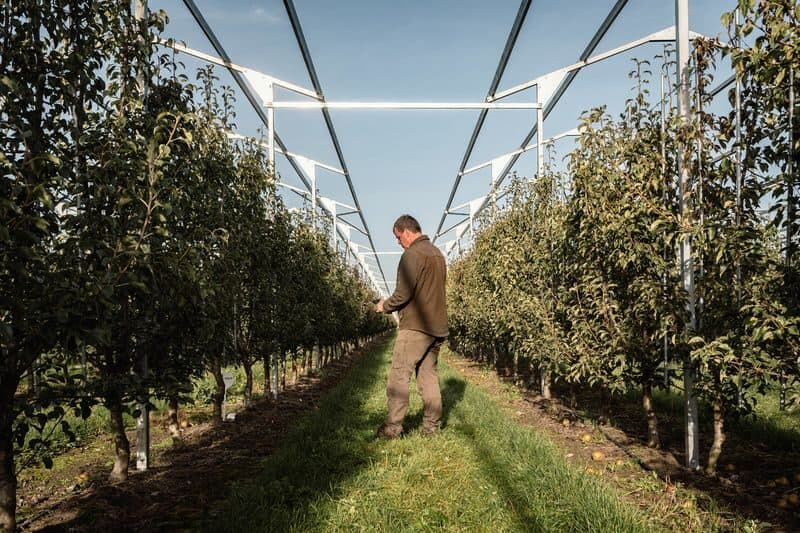
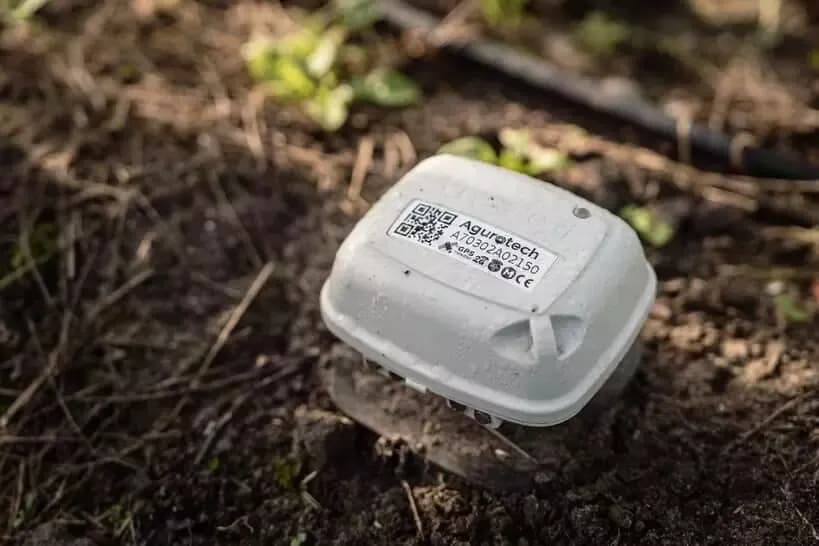
One of our customers once compared using soil moisture sensors to driving a new car with parking sensors.
"At first, you don't trust them," he said. "You still turn your head. You still look in the
mirrors. It takes a while before you start to trust the beep."
Smart irrigation works in much the same way.
Growers don't suddenly hand over their decisions to data. They learn to work with it. They test it against reality. And over time, they decide how much trust it deserves.
Decisions about irrigation are made in the field, not in an app
In theory, decisions about irrigation seem simple:
the soil dries out, the system indicates this, and water is applied.
In practice, it is rarely that simple.
Growers struggle with limited irrigation capacity, fixed role schedules, distance between fields, labor availability, and changing weather forecasts. Often, multiple fields need attention at the same time, but only one can be irrigated first.
That's where sensors add value: not by telling growers what to do, but by helping them decide where to start and which fields to prioritize.
Several growers described how they primarily used the data to set priorities:
- Which field is drying out the fastest?
- Which field can wait another day?
- Where will irrigation make the biggest difference right now?
The final decision remains theirs. The data simply makes that decision easier to justify.
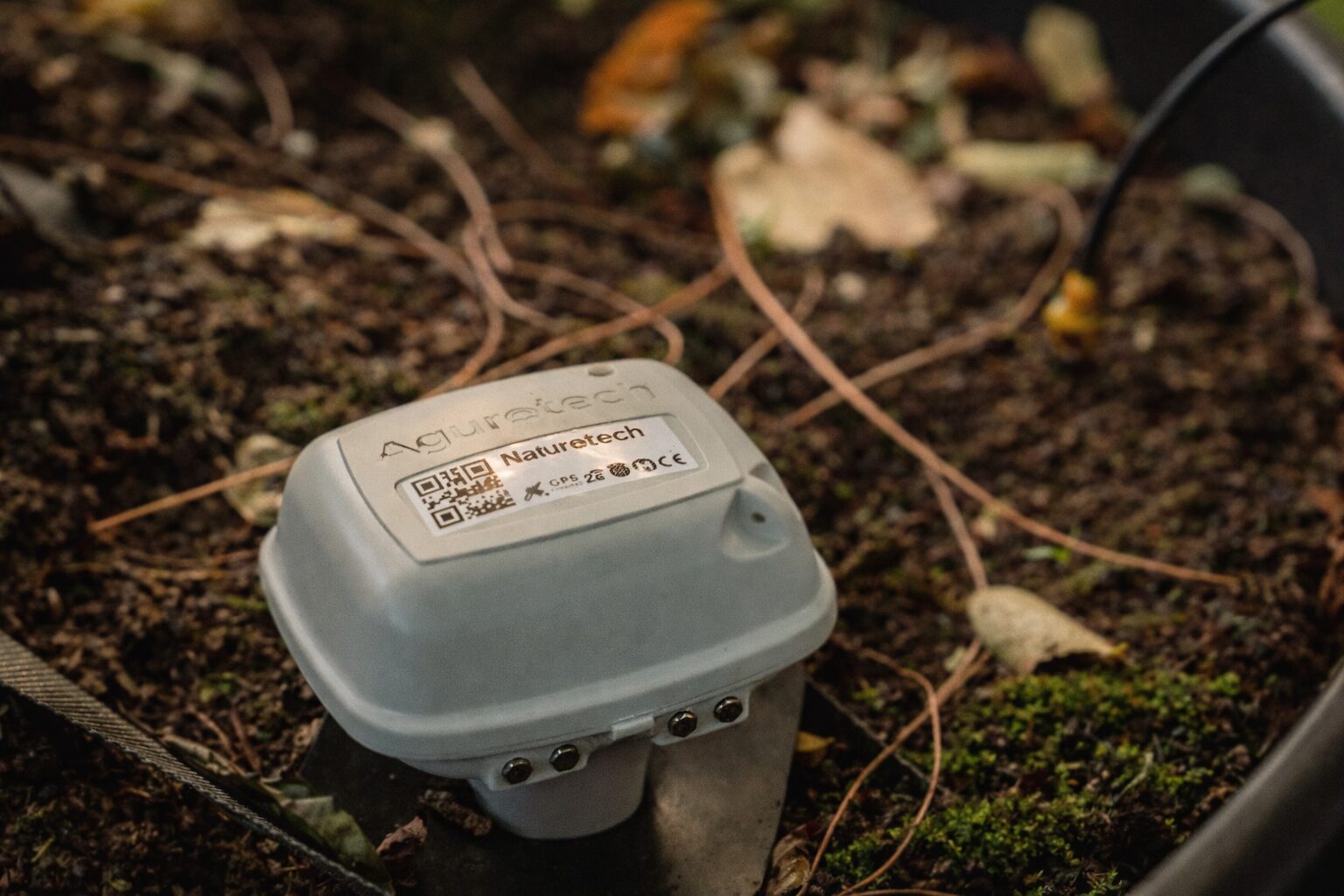
"I still dig, but I dig with more confidence."
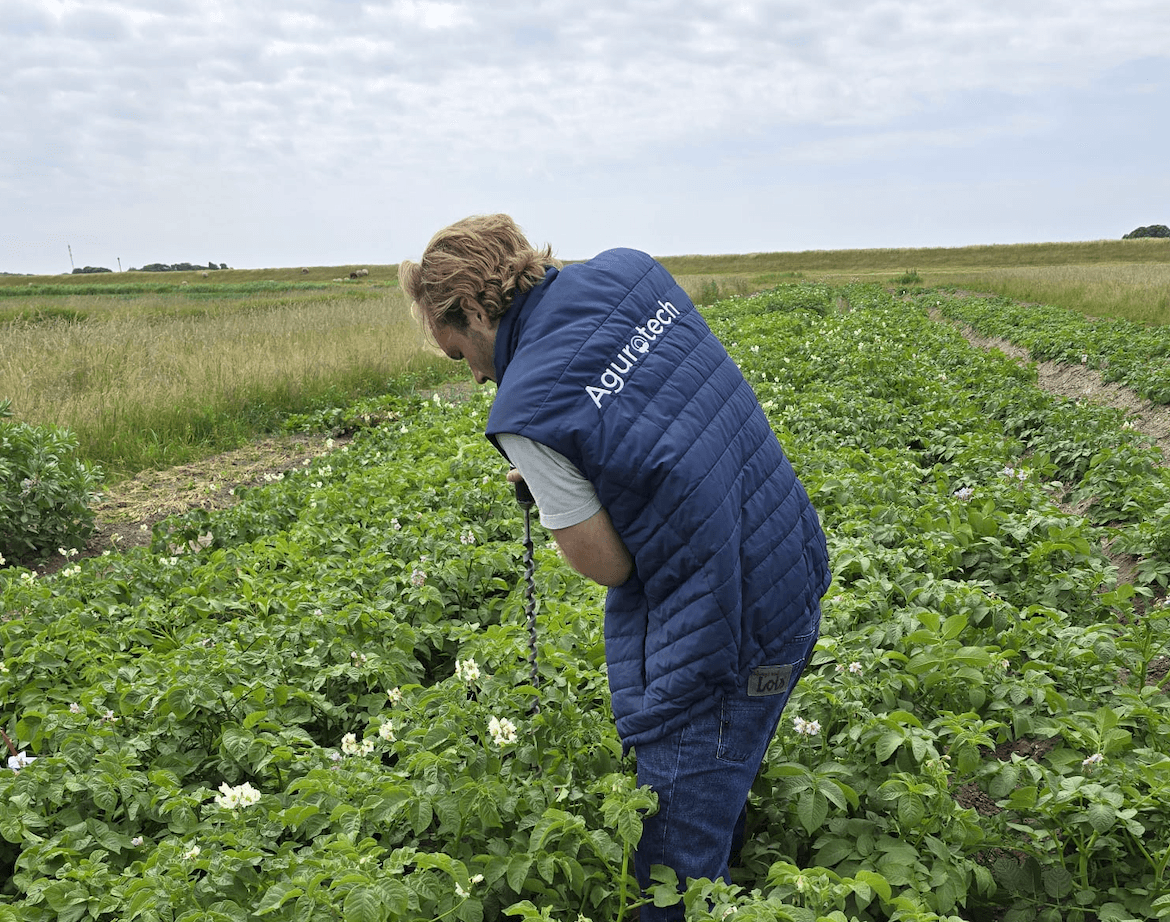
Almost all growers say the same thing: they still check their fields themselves.
They dig. They feel the soil. They look at the crop.
What is changing is the dialogue they have with the data.
Sometimes the sensor confirms what they already suspected.
Other times, the sensor challenges their assumptions, especially when the surface appears dry but moisture is still present deeper in the root zone.
Several growers said that without the sensor, they would have irrigated earlier. Because the data showed that the field was still within range, they decided to wait.
That one decision can save time, fuel, and water, but just as importantly, it builds confidence and helps them verify when there is a reason to do so.
When 'suboptimal' still delivers top results
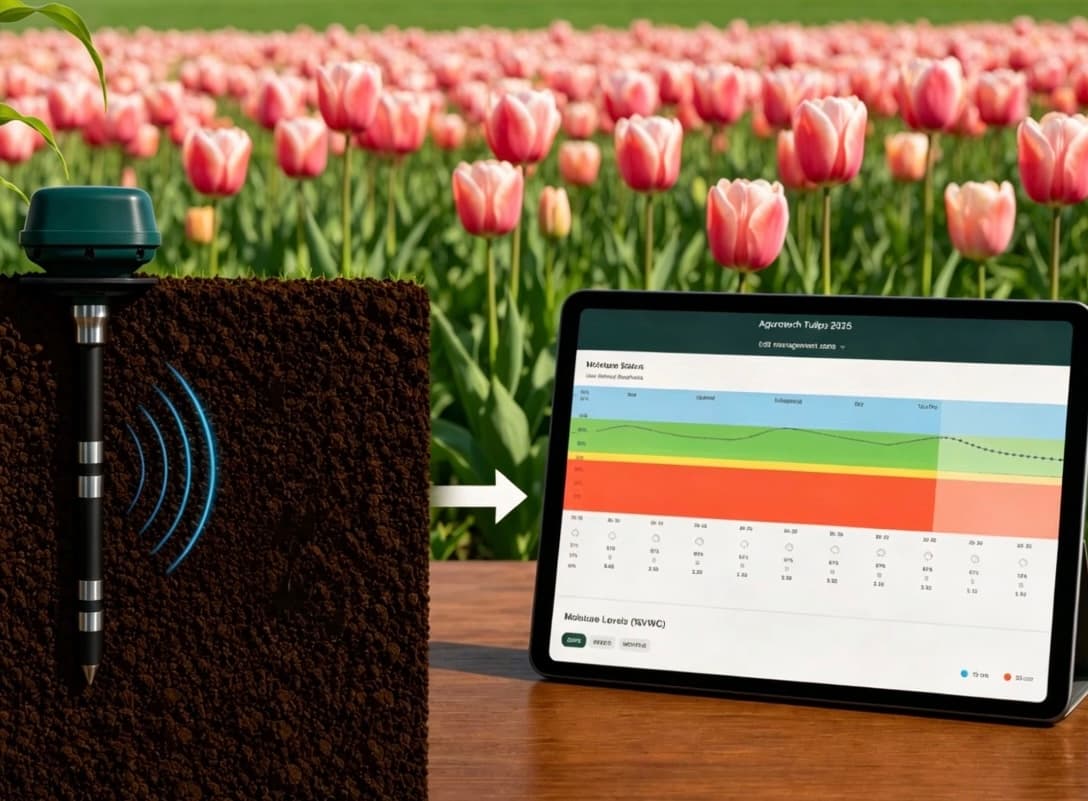
A recurring theme in the interviews was how growers interpret the moisture bands.
Fields that remain in Agurotech's "light green" or slightly suboptimal zone for much of the season often still produce excellent yields. In some cases, they even outperform fields that remain consistently within the optimal range.
Growers explained why:
- slightly drier conditions reduce disease pressure
- roots are stimulated to grow deeper
- the soil remains more workable
- timing remains flexible
One grower summed it up simply:
"If I'm in the orange zone, I'm already too late."
Over time, growers learn how the bands relate to their own soil and crops. The data does not dictate their decisions, but becomes something they learn to interpret, just like weather forecasts.
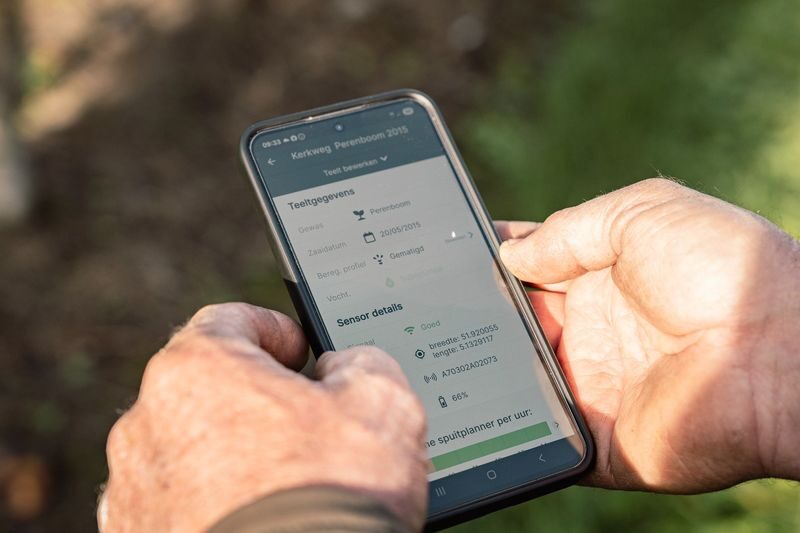
Advice must fit the system, not the other way around
Another practical reality emerged time and again: irrigation systems have their limitations.
Many growers work with standard dosages of 18-20 mm because that fits their reels, pumps, and daily schedule. If the advice suggests higher volumes, they don't reject it, but adapt.
Instead of changing their entire setup, they adjust the timing and frequency.
As one grower explained,
"I don't change my system. I change my schedule."
This kind of translation is exactly how decision support should work. Useful advice respects the way farms actually operate.
Trust is built over seasons, not weeks
Very few growers rely entirely on new data in the first year.
The first season is all about comparison:
- does the sensor respond after irrigation or rain?
- Does this match what I see when I dig?
- Does it make sense on this soil?
In the second season, patterns begin to emerge:
- which fields always dry out first
- When is it worth waiting?
- when early measures prevent stress later
Only then does the data truly become part of daily planning. Not because the technology has changed, but because the grower has learned to work with it.
Just like with parking sensors: you don't stop checking your mirrors on the first day. You stop because experience has taught you that the signal is reliable.
Why this approach works
Growers are not looking for systems that take control. They are looking for tools that support better decisions in a complex, unpredictable environment.
The technology that sticks:
- fits into existing workflows
- leaves room for personal judgment
- proves itself over time
- reduces uncertainty rather than adding complexity
Smart irrigation is not about following perfect advice. It's about learning when you can trust the signal – and when you can trust experience.
And once that balance is found, the system no longer feels new. It simply becomes part of the farm's business operations.
.jpg&w=3840&q=75)