Smart farming is not about collecting more data, but about using it to make better decisions about crop management.
Across Europe, sensors, satellites, and weather data are changing the way growers manage their crops: from irrigation and crop stress to the timing of field operations. What started as a way to gain more insight into the soil and crops has evolved into a way to act with confidence, save water, time, and money, and improve yields, providing more certainty in day-to-day decision-making.
The difference isn't just in the technology. It's in the confidence. Growers are learning to rely on data when making decisions about when to irrigate, where to start, and, just as importantly, when to wait.
Seeing what the eye cannot see
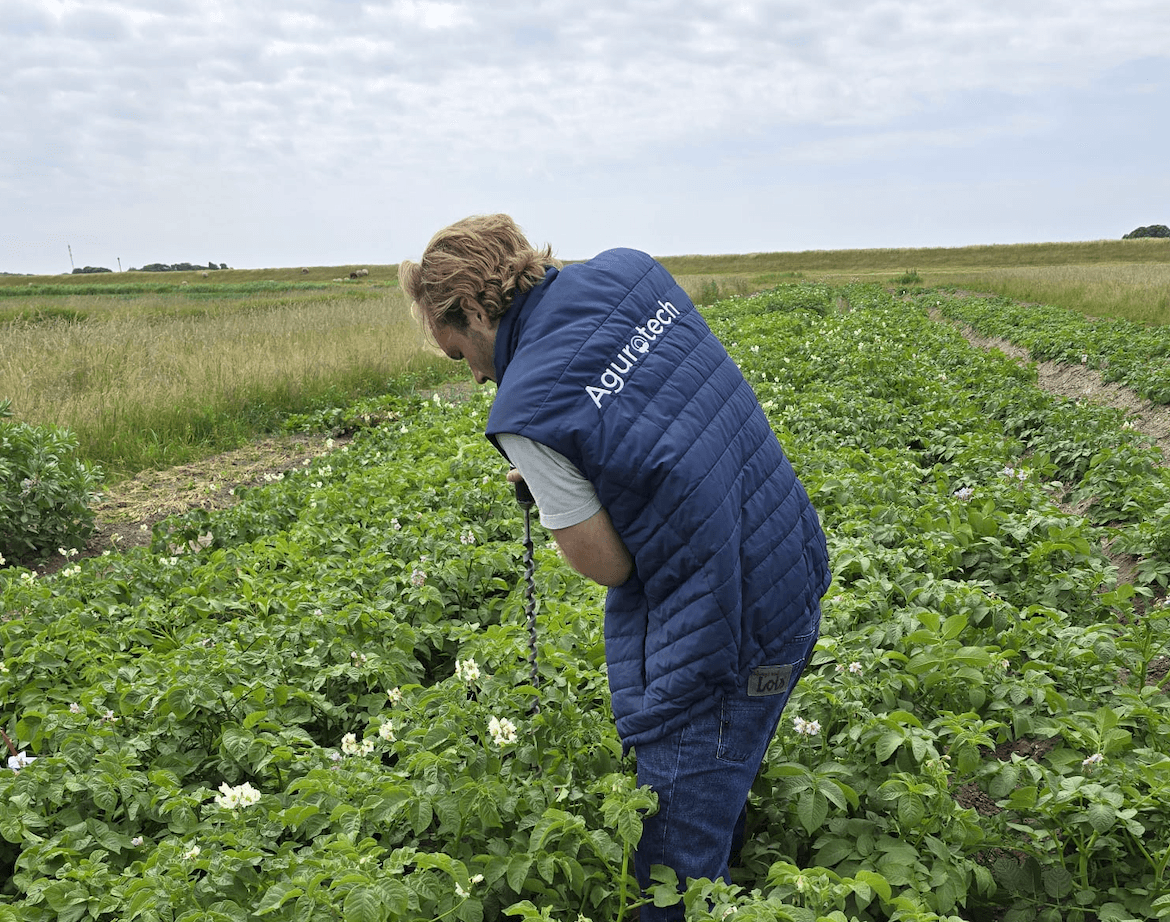
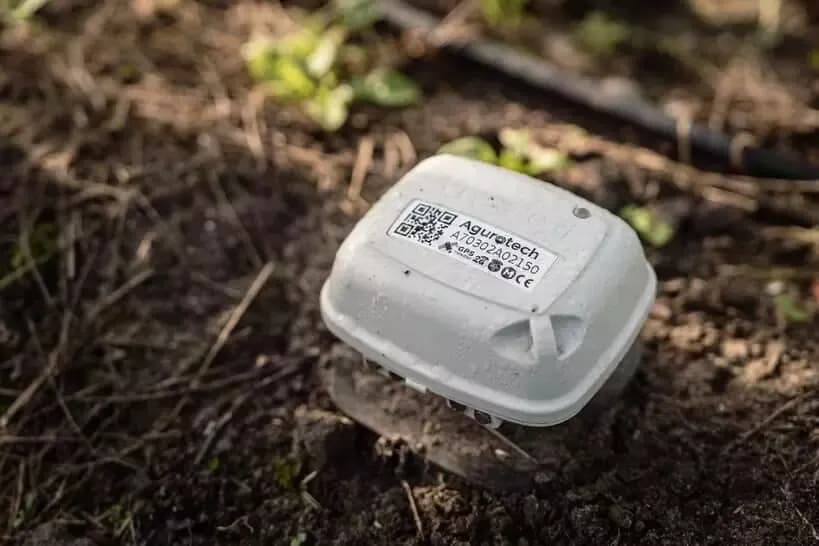
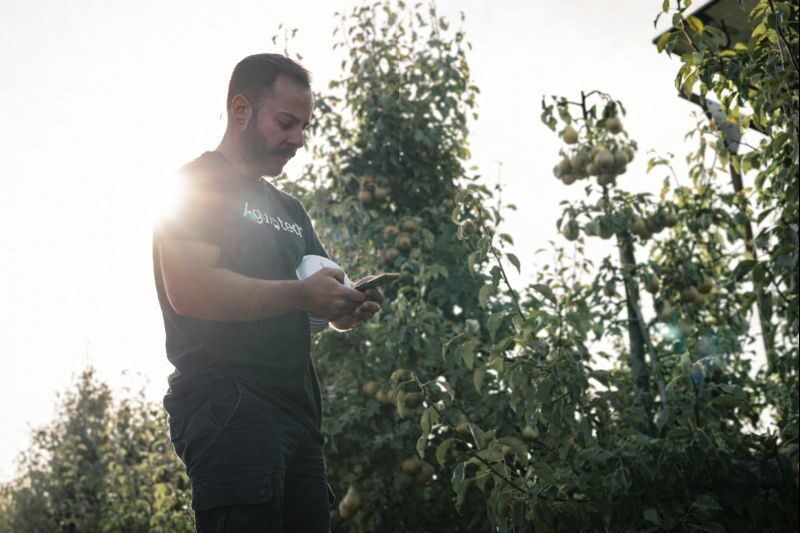
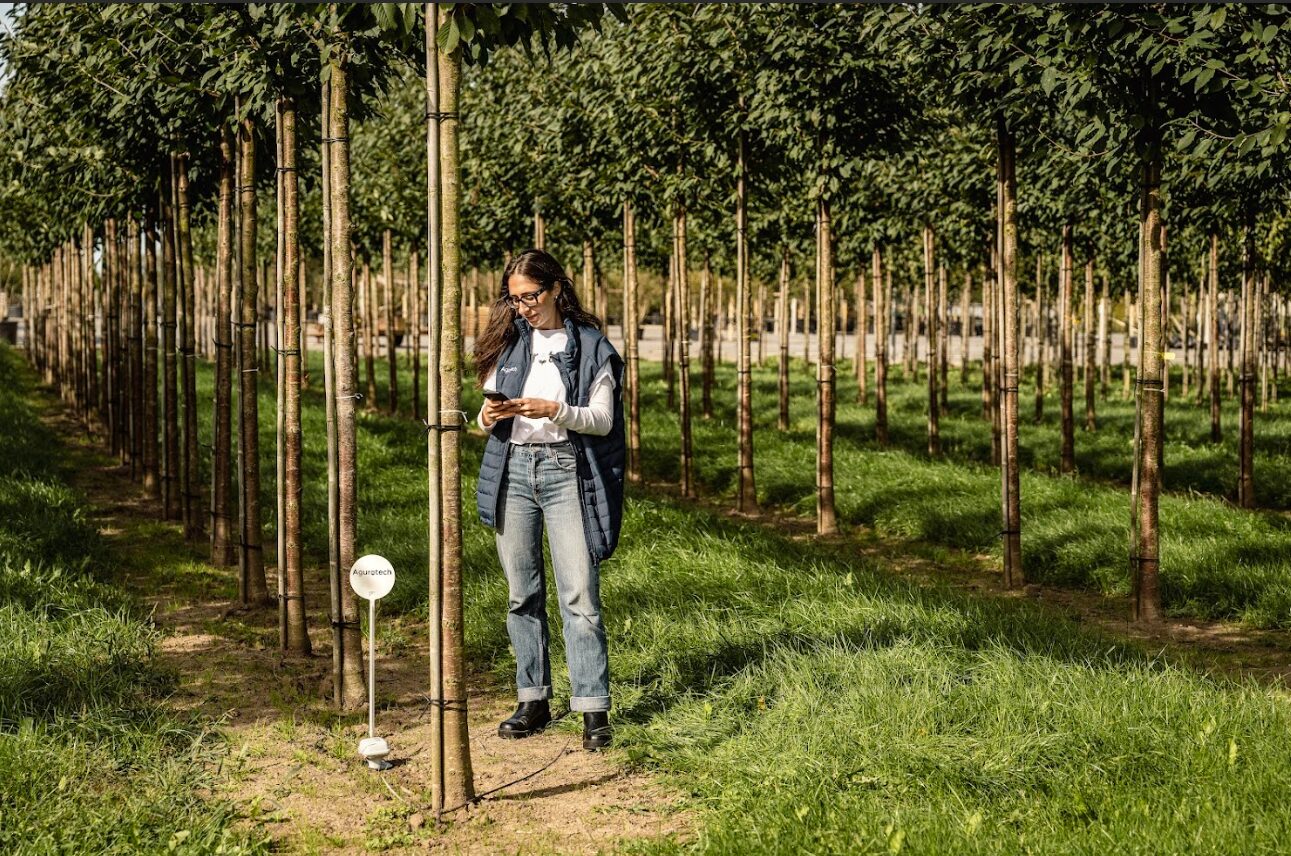
For generations, crop management was based on intuition. A quick walk through the field or the feel of the soil often determined what happened next. Today, soil sensors track what's happening below the surface, satellites show crop growth above ground, and local weather models predict what's to come. Together, they reveal what even the most experienced grower can't always see.
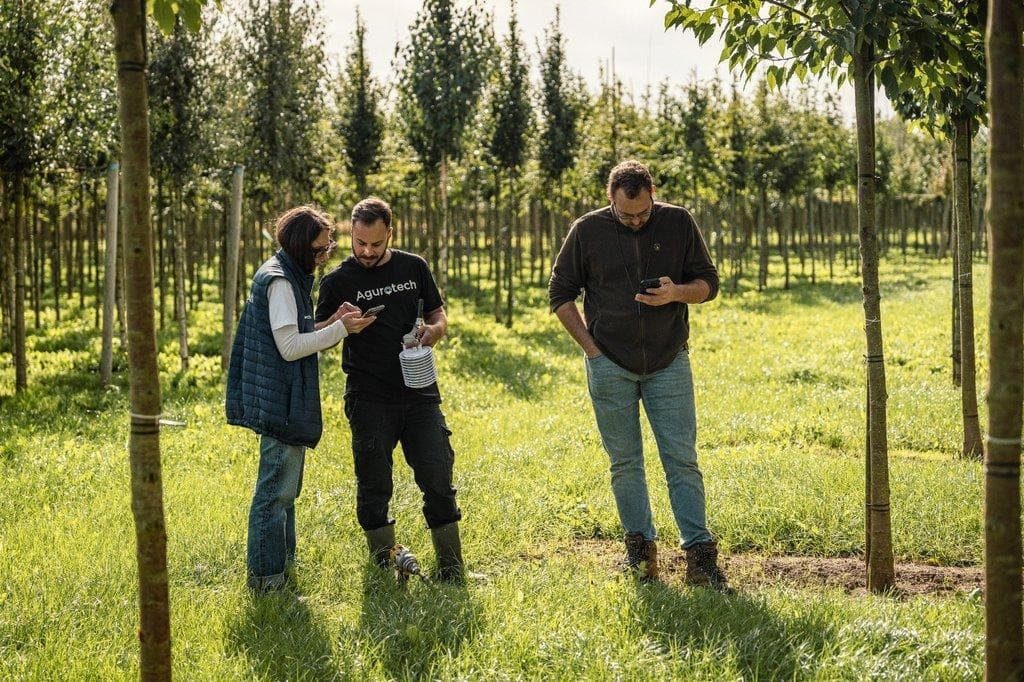
Growers describe how these insights confirm or challenge their intuition.
"Sometimes you think the field still has enough moisture," explains one grower, "but the sensors show that it's already drying out underneath."
"Other times, you feel like the top is dry, but the data shows that there is still enough water deeper down." That combination of experience and evidence is where the real value lies. The technology does not replace a grower's instinct, but sharpens it.
That combination of experience and evidence is where the real value lies. The technology does not replace a grower's instinct, but sharpens it.
How the system converts data into decisions
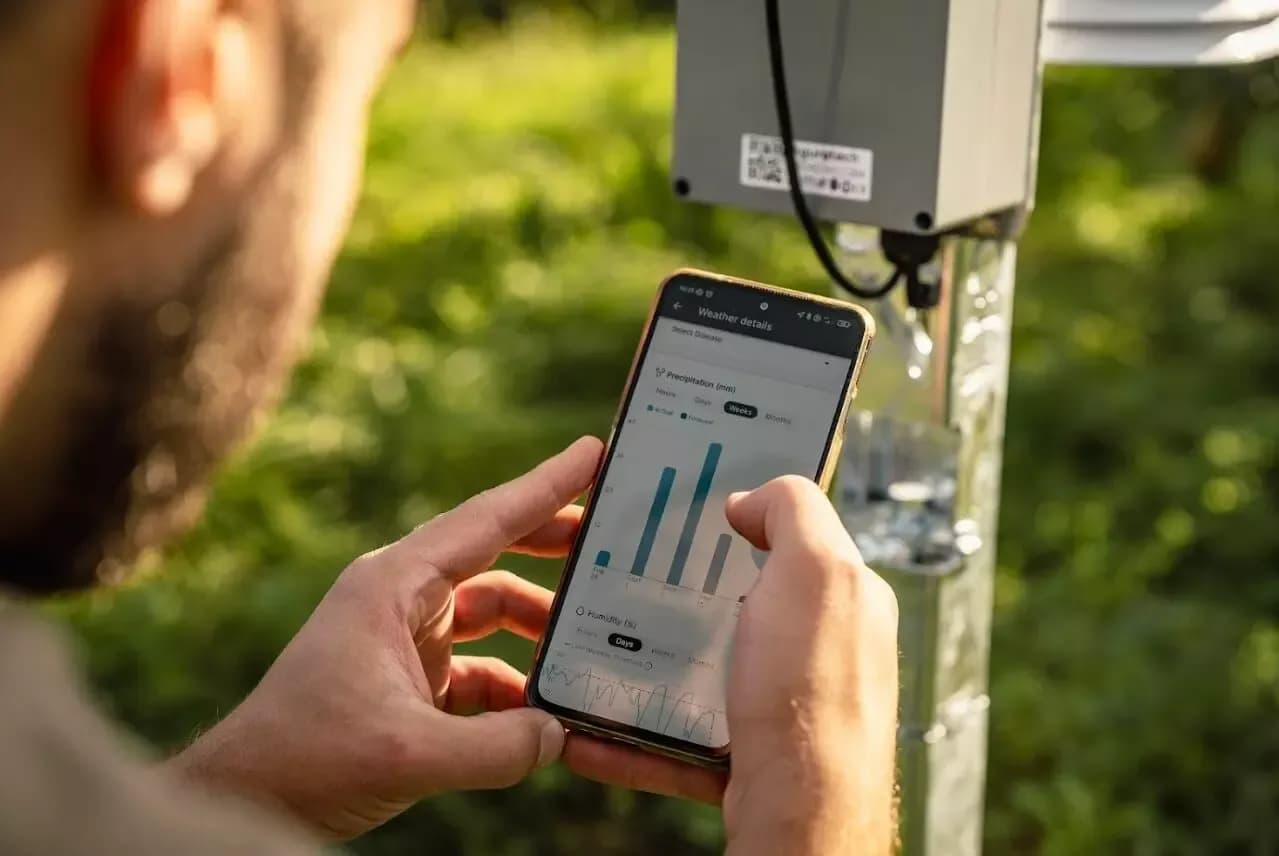
Agurotech's platform combines three layers of information:
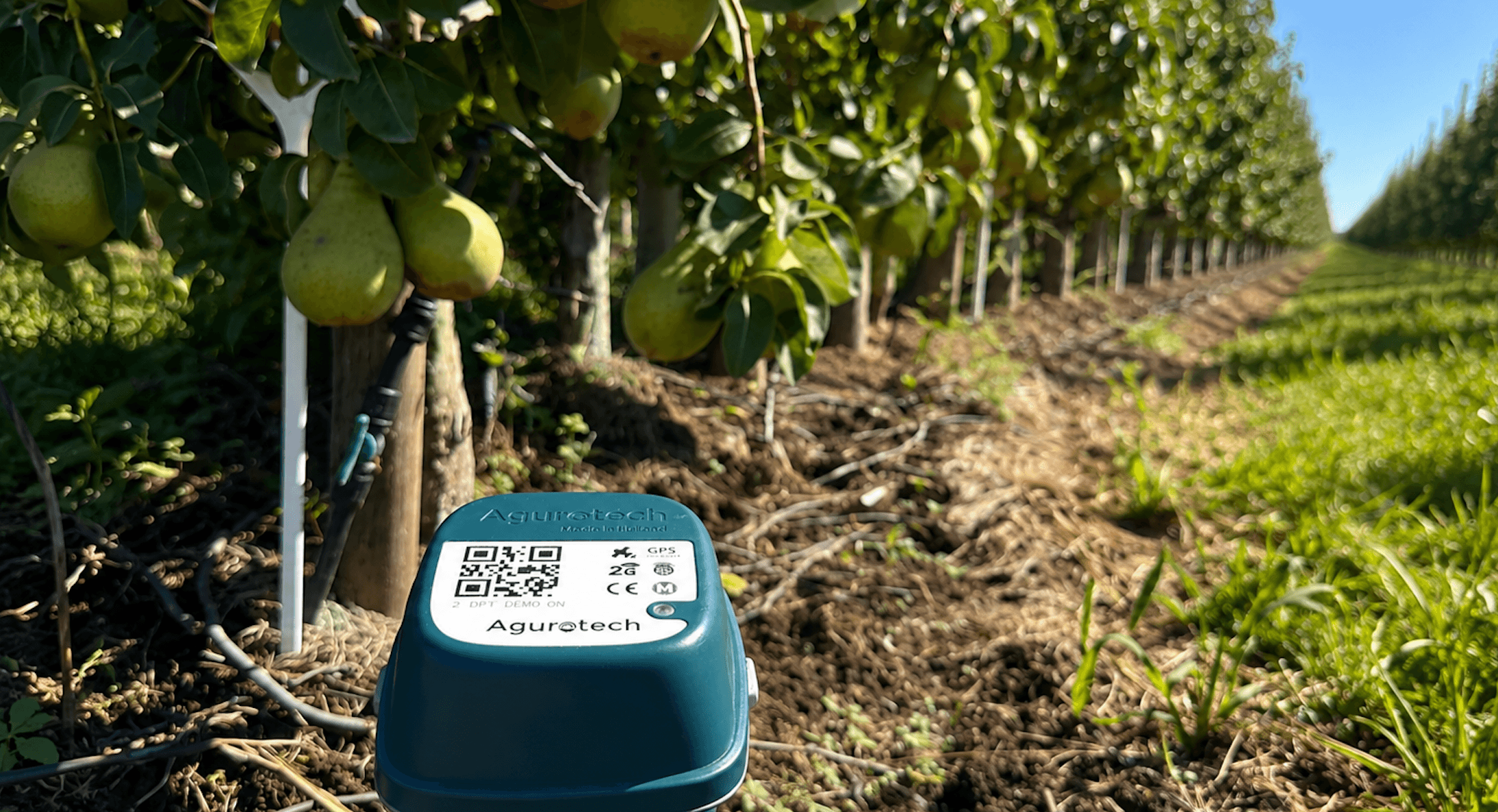
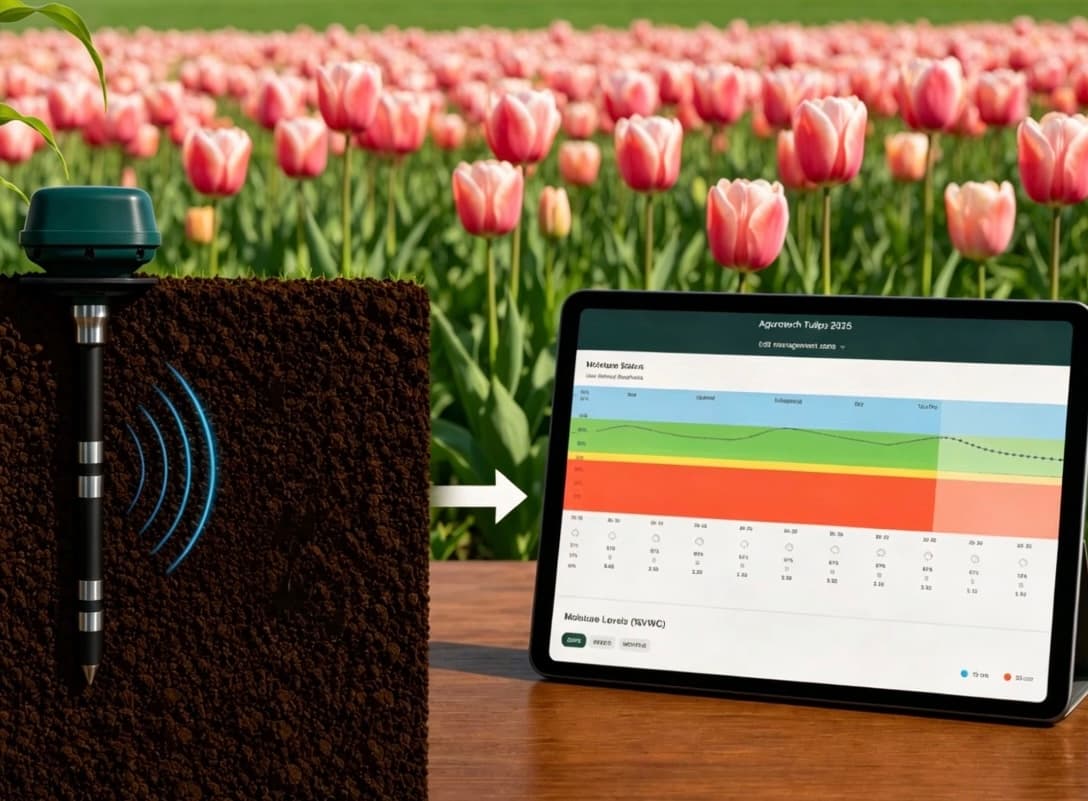
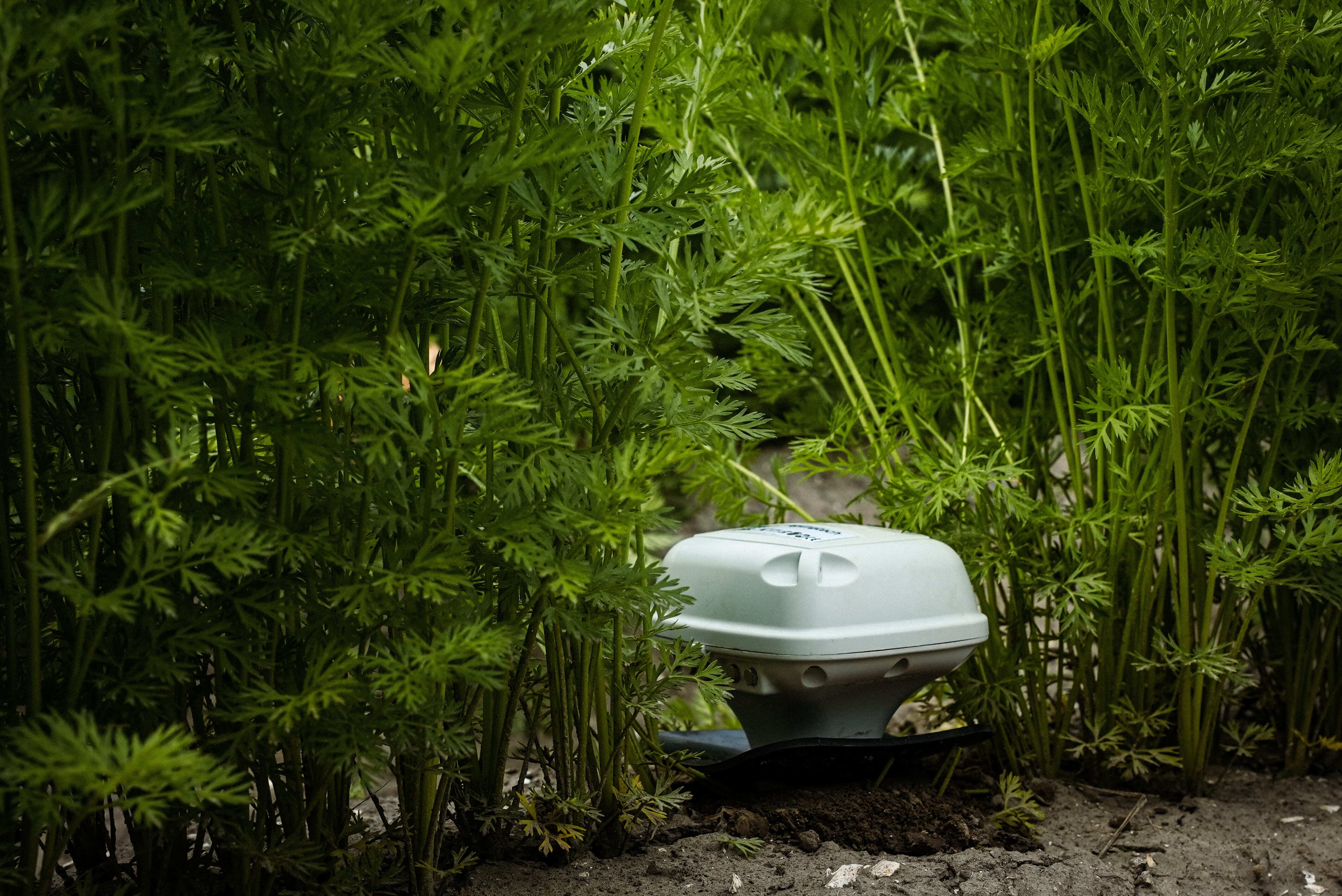
- Soil moisture sensors measure volumetric water content, temperature, and electrical conductivity at root level.
- Satellite images monitor the vegetation index (NDVI) and crop uniformity.
- Weather forecasts and models estimate evaporation and precipitation probability.
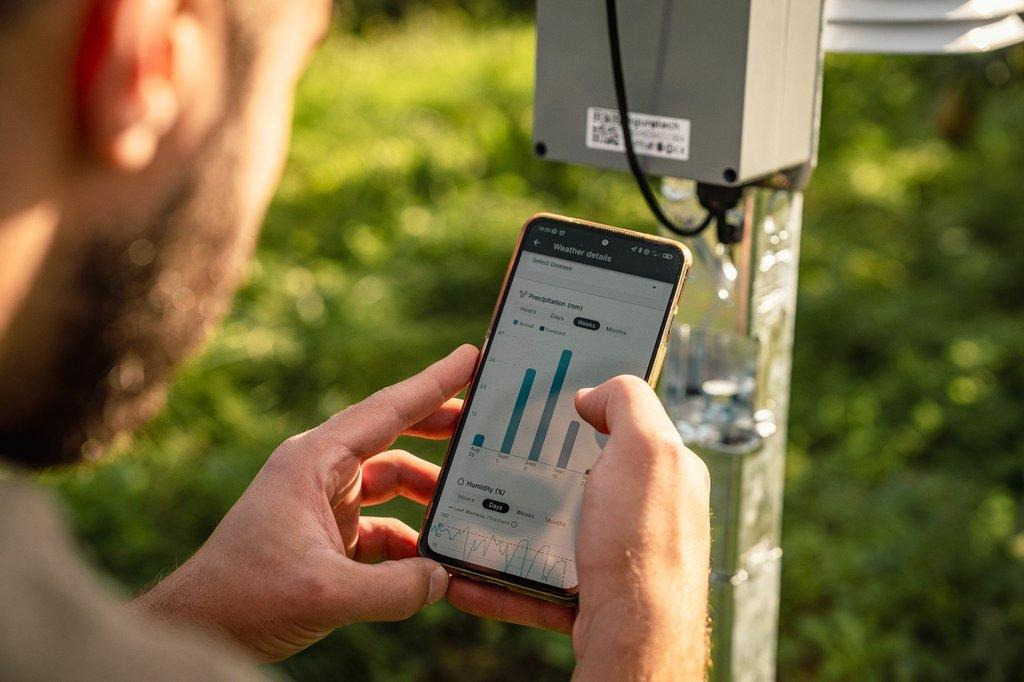
This input is processed into clear irrigation and crop condition bands that indicate when a field is within the ideal moisture range—and when there is a risk of falling below it. By converting complex data into visual thresholds, Agurotech enables growers to manage irrigation, stress, and timing of field operations accurately and with confidence.
Turning insight into action
When real-time soil data, weather forecasts, and satellite imagery are brought together in a single platform, decisions can be made faster and more accurately. Instead of irrigating out of habit, growers plan based on need.
Each irrigation cycle avoided saves approximately $200-300 per hectare, depending on the cost of diesel, labor, and energy. Most growers skip one or two full cycles per season, resulting in direct savings of $300-600 per hectare without compromising yield.
One onion grower avoided two full irrigation cycles with the reel system and reinvested those savings to expand sensor coverage the following year. Others use the data to schedule their reels more efficiently: they know exactly which field to start with and which field can wait a few more days.
"If you have seven reels, you want to know where the first one really needs to go," says one grower. "Now the data tells you that."
Efficiency without compromise
A common misconception is that fewer irrigation cycles lead to lower yields. In practice, the opposite is often true. By irrigating only when the crop really needs it, growers maintain more stable soil conditions and prevent both waterlogging and stress. Many report more uniform growth, better bulb or root development, and in some cases higher yields.
"I do it for quality, not just quantity," explains one grower. "Good timing makes the difference between a stressed plant and a healthy plant."
Every data-driven decision builds long-term resilience: it protects yields, saves on inputs, and strengthens the business case for precision technology.
Confidence through clarity
Every season is different. In wet years, the data confirms that irrigation can wait; in dry years, it indicates when early action is needed. Either way, the result is the same: peace of mind. Growers no longer wonder if they are overlooking something—the numbers are right there.
"The system gives me confidence," says another user. "I can see that the field still has enough moisture, so I'm not worried about waiting."
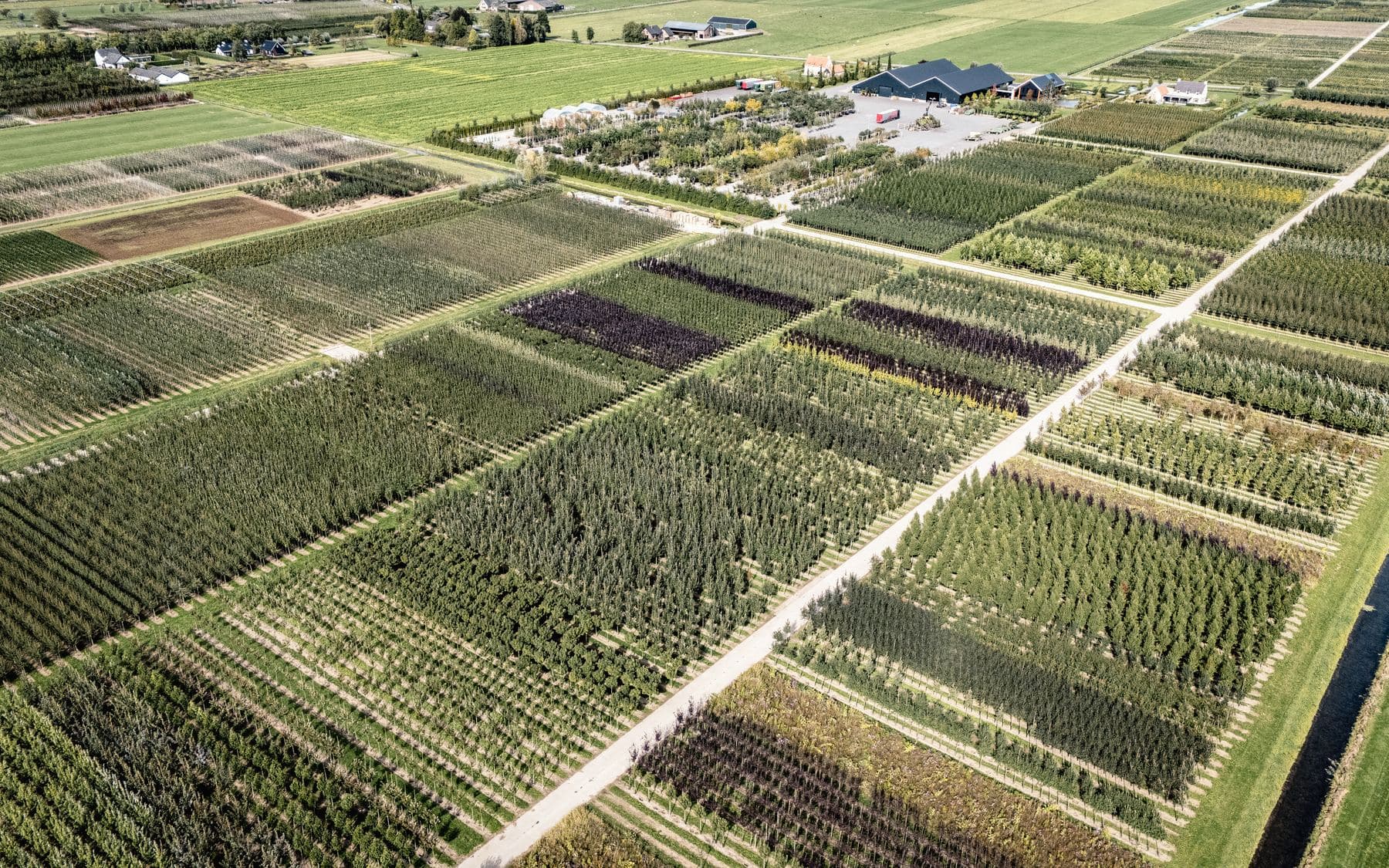
That confidence is often the catalyst for scaling up. Once a few fields have proven the savings, growers expand the technology to more acres, multiplying the economic and environmental benefits each season.
From measuring to predicting
The next step for smart crop management is not to collect more data, but to anticipate what is to come. By combining soil, satellite, and weather information, Agurotech enables growers to move from reactive to predictive management. Instead of asking "How wet is the soil right now?", the platform will soon answer "When will this field need water again?"
This evolution, from monitoring to prediction, marks a turning point in modern agriculture. Every field becomes more efficient, every season more predictable, and every grower gains more control.
A smarter, calmer way of farming
Essentially, data-driven agriculture is not about complexity, but about clarity. When technology works quietly in the background, growers get back what matters most: control, time, and confidence in their own decisions.
Discover how growers across Europe are using Agurotech's smart crop management solutions to save water, time, and energy season after season.
.jpg&w=3840&q=75)