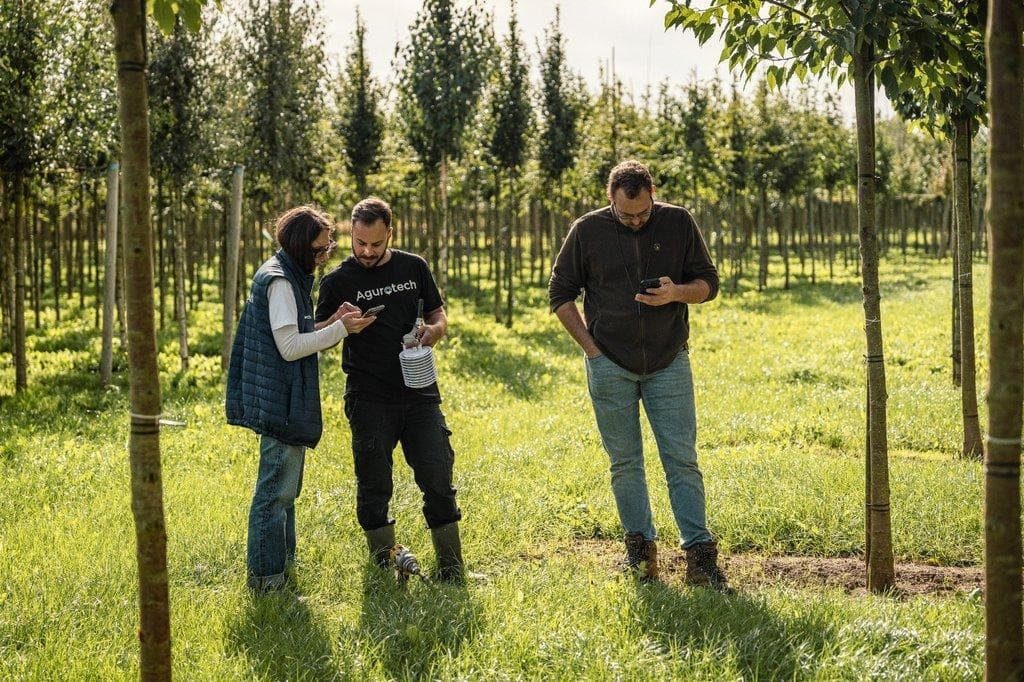
Most growers do not choose smart irrigation because they want to work in a 'data-driven' way. They use it because they want to answer a practical question:
does this field need water today, or can it wait?
What happens next is rarely planned. But over time, something changes. What starts as an irrigation tool slowly but surely becomes part of the management of the entire business. Not through big promises or radical changes, but quietly—season after season.
It never starts big
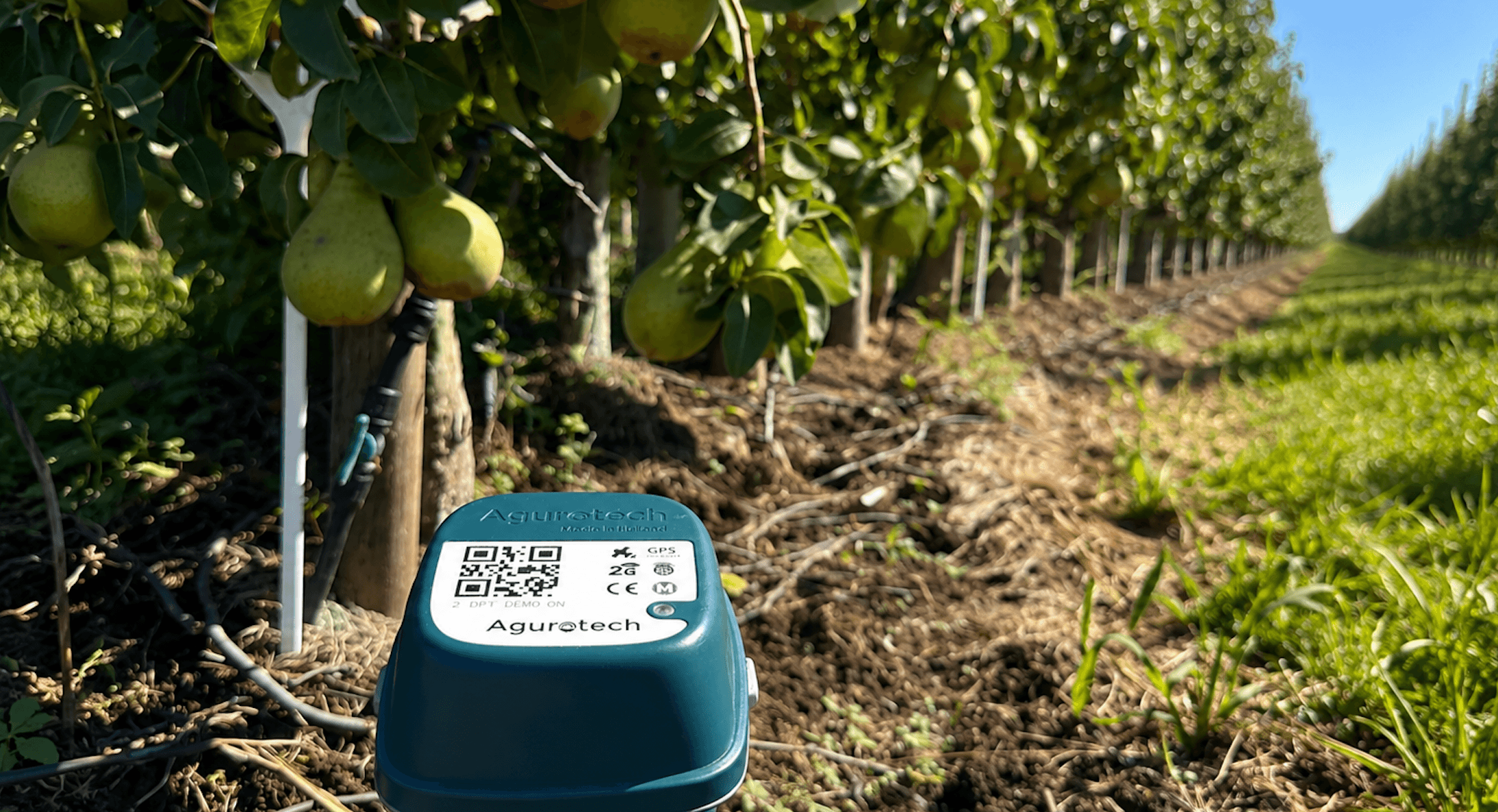
Almost every grower starts small. Two or three sensors. One or two plots. The goal is simple: reduce uncertainty during dry periods and avoid unnecessary irrigation. In the first season, the data is mainly checked at times of uncertainty:
- Before starting a new irrigation cycle
- When rain is forecast but not guaranteed
- When different plots compete for limited capacity
At this stage, the system supports daily decisions. Nothing more.
Over time, patterns emerge
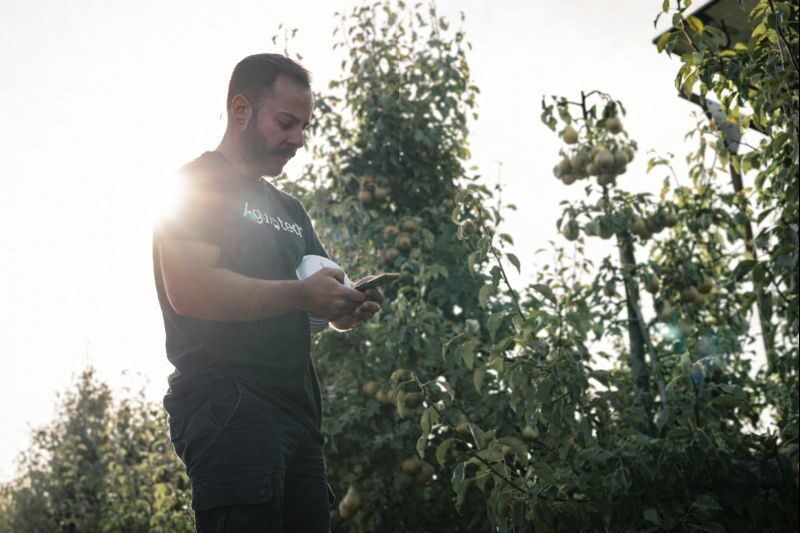
After one or two seasons, growers begin to notice something interesting.
Some plots dry out faster than others.
Some soils recover quickly after rain, others do not.
Some plots always need attention first, regardless of the year.
These patterns are not new—experienced growers often already knew about them. What has changed is that they are now visible, measurable, and consistent. Data turns intuition into reference.
From reacting to planning
As these patterns become clearer, the role of data changes.
Growers report feeling less reactive during dry periods.
Instead of responding to stress signals, they plan ahead:
- Planning irrigation cycles more efficiently
- Better coordination of labor and machinery
- Avoiding last-minute decisions under pressure
The result is not only water savings.
It also means calmer working conditions and better control over time and resources.
Irrigation data influences planning discussions throughout the company.
Data as evidence, not just insight
Another shift occurs when data is available season after season.
What was once "useful information" now becomes documentation:
- Proof of responsible water use
- Support for sustainability audits and certifications
- Justification of decisions to buyers, advisors, or authorities
Growers no longer need to explain why they waited or irrigated.
The data already shows that.
In this way, smart irrigation not only supports agronomy, but also accountability.
A common language on the farm
As data becomes part of daily management, communication also changes.
Decisions are discussed using the same reference:
- With employees
- With advisors or partners
Instead of opinions, there is context.
Instead of discussion, there is clarity.
Data does not make discussions unnecessary, but ensures that they are more focused.
Fewer surprises, more control
Smart agriculture is not about replacing experience or automating decisions.
It's about reducing uncertainty in a profession where uncertainty is the norm.
When growers understand their fields better—not just today, but throughout all seasons—they gain something valuable: predictability.
And with predictability comes control.
Not control over the weather,
but control over decisions, planning, and expectations.
This is how a simple irrigation tool quietly evolves into a management system—a system that supports the farm in many more ways than just with water.
.jpg&w=3840&q=75)