Why smart irrigation is not about using less water, but about knowing when water is worth it.
The most expensive irrigation round is not always the one that goes wrong. Sometimes, it is the one that was never needed. In a dry period, irrigation feels like certainty.
The crop is under pressure.
The forecast changes every day.
Neighbours start moving their reels.
And across several fields at once, the same question comes back:
Should we irrigate now or can it wait? For growers, this is never just a technical decision. Every irrigation round uses money, time and capacity. And when one field is being irrigated, another field has to wait. That is why the real question is not only: “Is the soil dry?” It is also: “Is this irrigation round worth it?”
Irrigation is never just water
On paper, irrigation can look simple.
A field dries out.
A reel is moved.
Water is applied.
But every round has a cost: fuel, labour, electricity or diesel, machinery wear, maintenance, depreciation and planning time. There can also be agronomic costs. Water applied at the wrong moment can keep the crop or soil wetter than necessary. In certain crops and conditions, that can increase disease pressure and create a need for additional crop protection later in the season. In that case, an unnecessary irrigation round does not only cost money on the day itself. It can add costs later.
Not every irrigation round has the same value
Some irrigation moments are critical. For onions, moisture during emergence can make the difference between an even crop and a difficult start. For potatoes, timing around tuber initiation can strongly influence the number and size distribution of tubers. In those moments, irrigation is not just a cost. It is an investment.
But not every round has that same value. A field that still has enough moisture deeper in the root zone may not need water yet. A parcel with rain expected within two days may be able to wait. A crop that looks dry on the surface may still have access to moisture below. That is where irrigation decisions become difficult. Because the question is not whether water is useful. Of course it is. The question is whether water is useful now.
“Just to be safe” can become expensive.
Many irrigation rounds are not started because growers are completely certain the crop needs water. They are started because uncertainty is uncomfortable.
What if the forecast is wrong?
What if the field dries out faster than expected?
What if waiting costs yield?
What if the neighbor is right to start today?
In those moments, irrigating feels safer than waiting. But “just to be safe” can mean spending money, using capacity and creating wetter conditions without improving the crop. That does not mean growers should irrigate less by default. It means every round needs to earn its place.
From today’s measurement to tomorrow’s decision
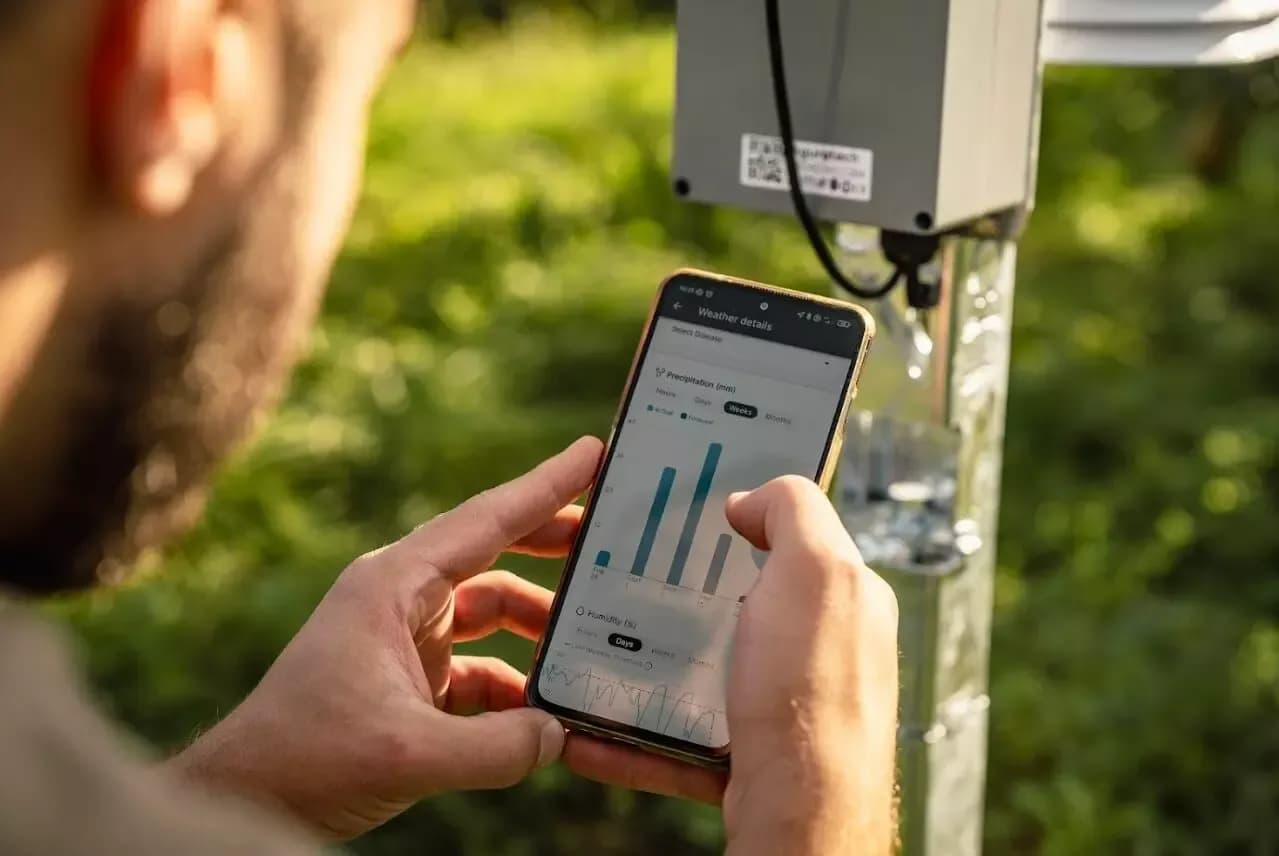
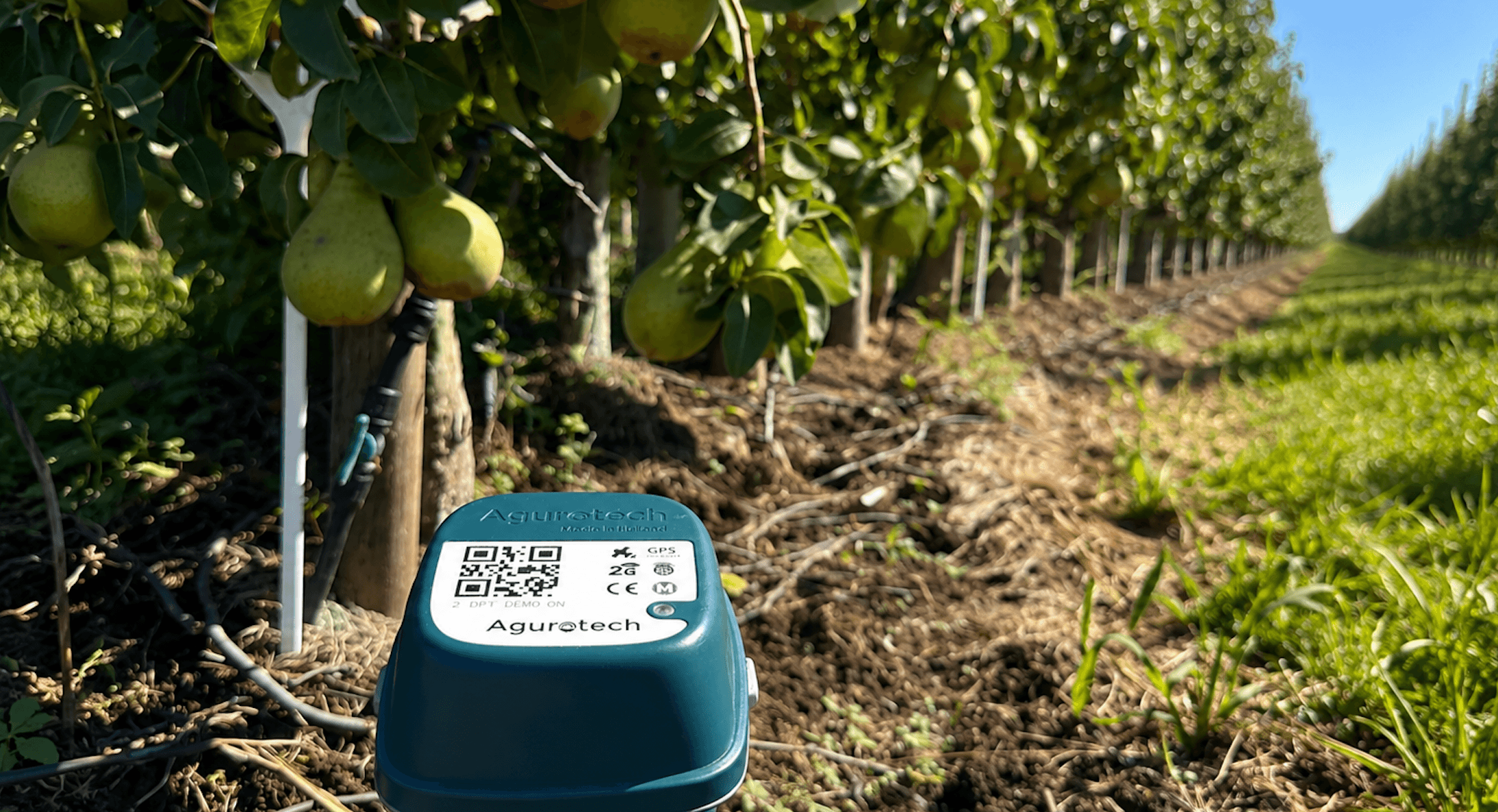
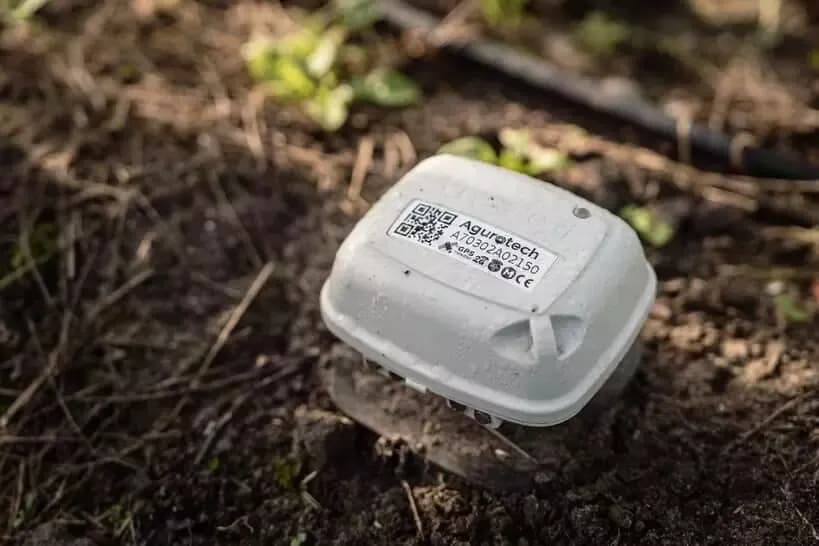
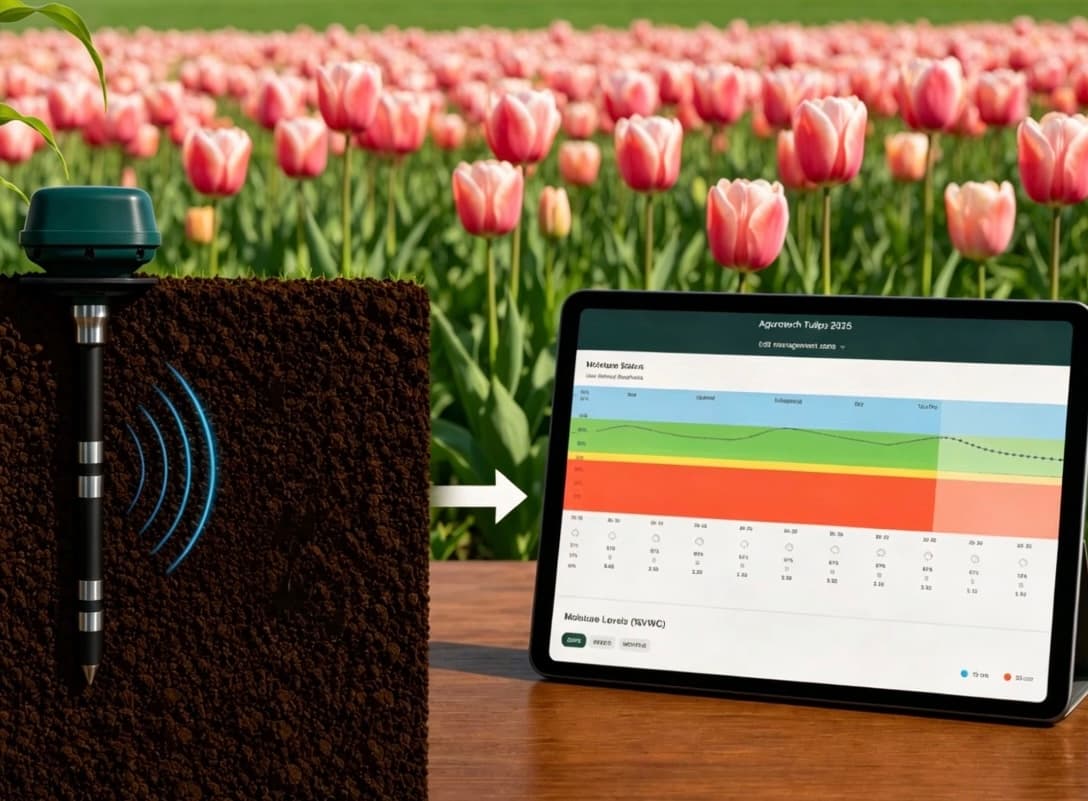
Soil moisture data helps growers understand what is happening below the surface. But the real value comes when current measurements are combined with what is likely to happen next. Agurotech combines soil measurements with local weather data and forecasts to show how soil moisture is expected to develop over the coming days. The model takes crop-specific water use, evapotranspiration, rainfall probability and field conditions into account. That means growers are not only looking at today’s moisture level. They can also see where the field is heading.
Will the crop move out of the optimal range in two days?
Will expected rainfall be enough to keep the field stable?
Will evapotranspiration increase during a warm, windy period?
Can this parcel wait until the next irrigation round?
This helps growers see whether a field is simply dry today — or actually at risk tomorrow.
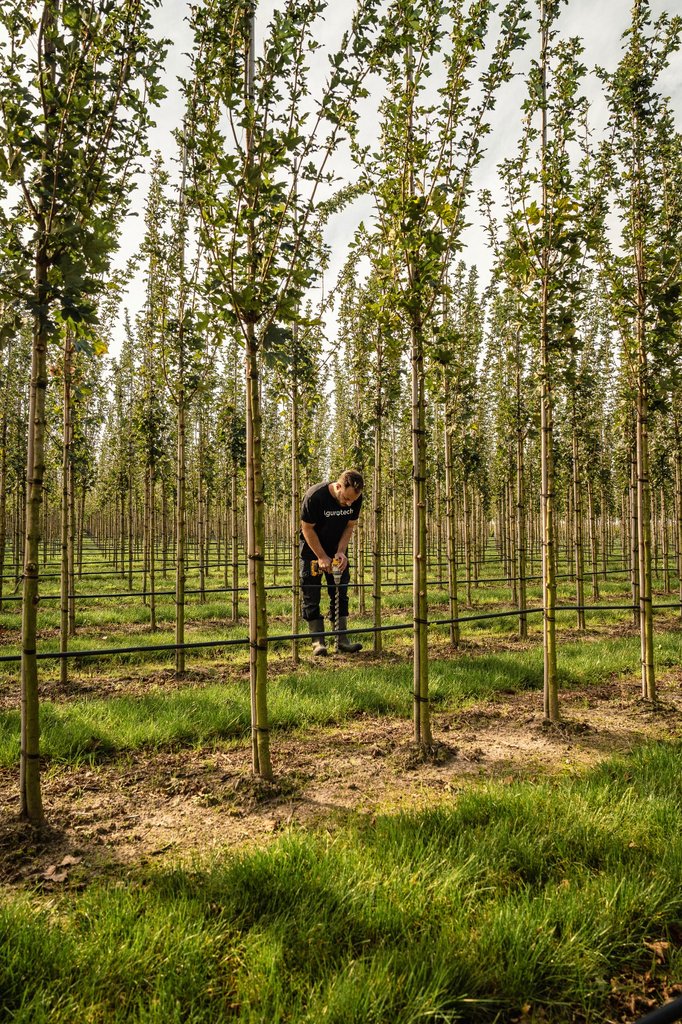
The value of a round avoided
An avoided irrigation round can look like nothing happened.
No reel moved.
No water was applied.
No visible action was taken.
But economically, it can be one of the most valuable decisions of the season. If rain is expected in two days and the root zone still holds enough moisture, waiting can save a full round without adding crop stress.
The grower saves fuel, labour and machine hours.
Capacity remains available for another field.
The crop avoids unnecessarily wet conditions.
Disease pressure may be reduced.
And the decision is backed by data rather than doubt.
This is why smart irrigation should not only be measured in litres of water saved. Its value is also in better prioritisation, fewer unnecessary actions, lower input pressure and more confidence in the moments when waiting is the right choice.
Better decisions, not automatic decisions
Growers are not looking for systems that tell them to stop thinking.
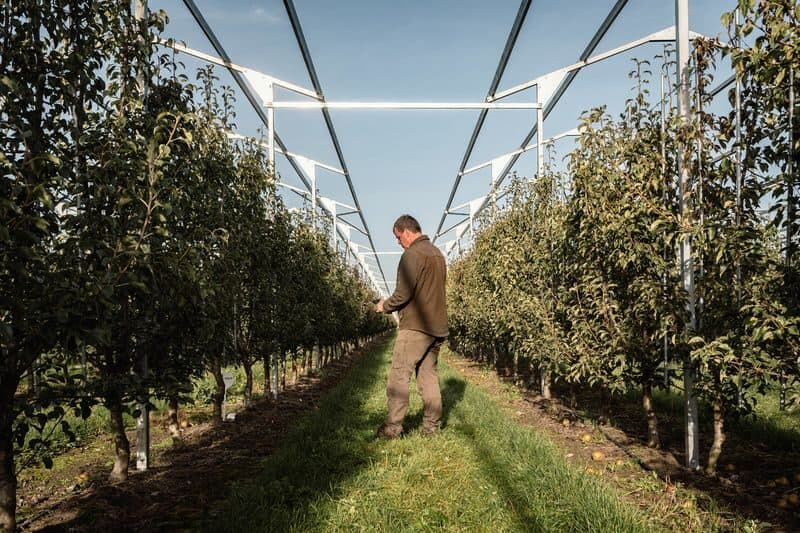
They still walk their fields.
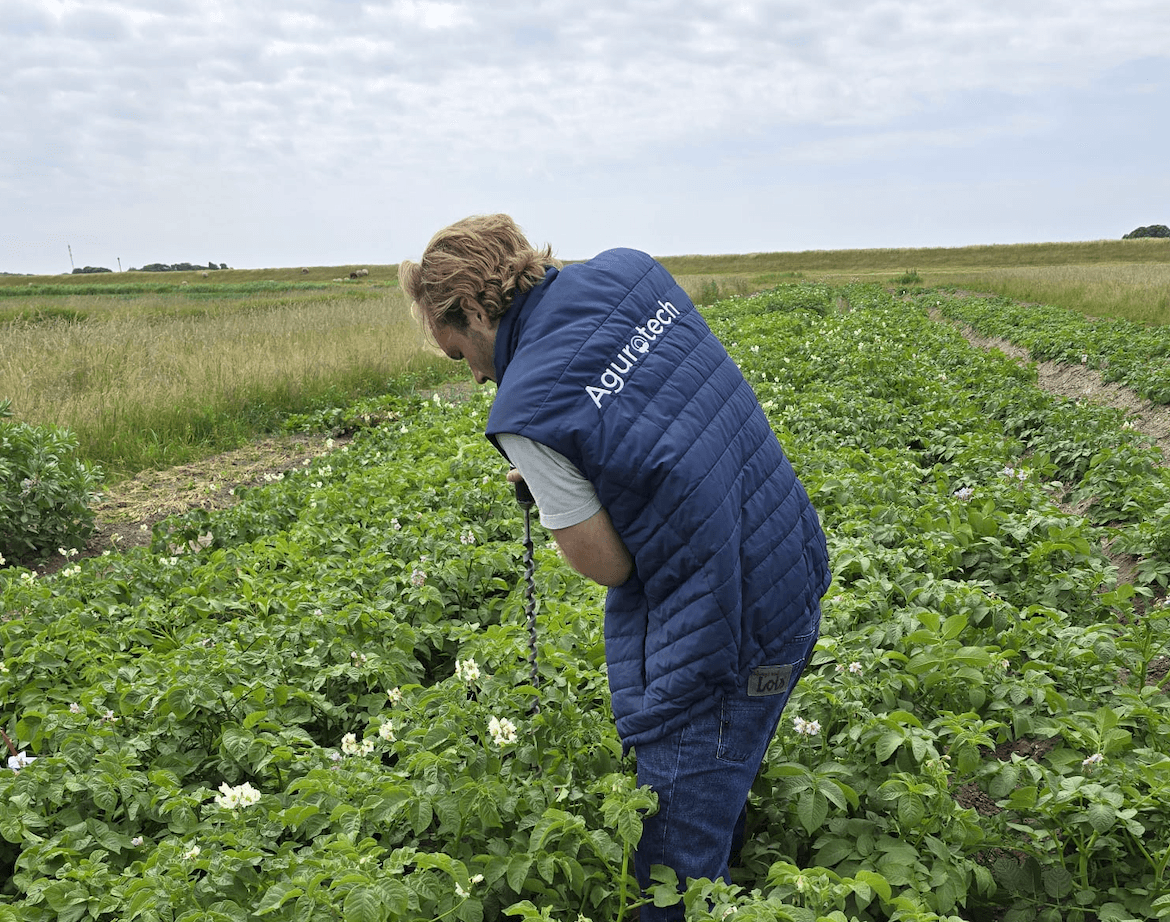
They still dig.
They still look at the crop, the soil, the weather and the planning.
Experience remains essential. But experience becomes stronger when it is supported by clear information. Soil data shows what is happening now. Weather forecasts show what may happen next. Crop-specific models help translate that into expected moisture development.
Together, these insights help growers understand not only what is happening, but what the next decision may cost — or save. Smart irrigation is not about irrigating as little as possible. It is about knowing which irrigation round protects yield, which one adds unnecessary cost, and which one can safely wait. Because in a dry season, the best growers are not always the ones who act fastest. They are the ones who know when action pays.
.jpg&w=3840&q=75)